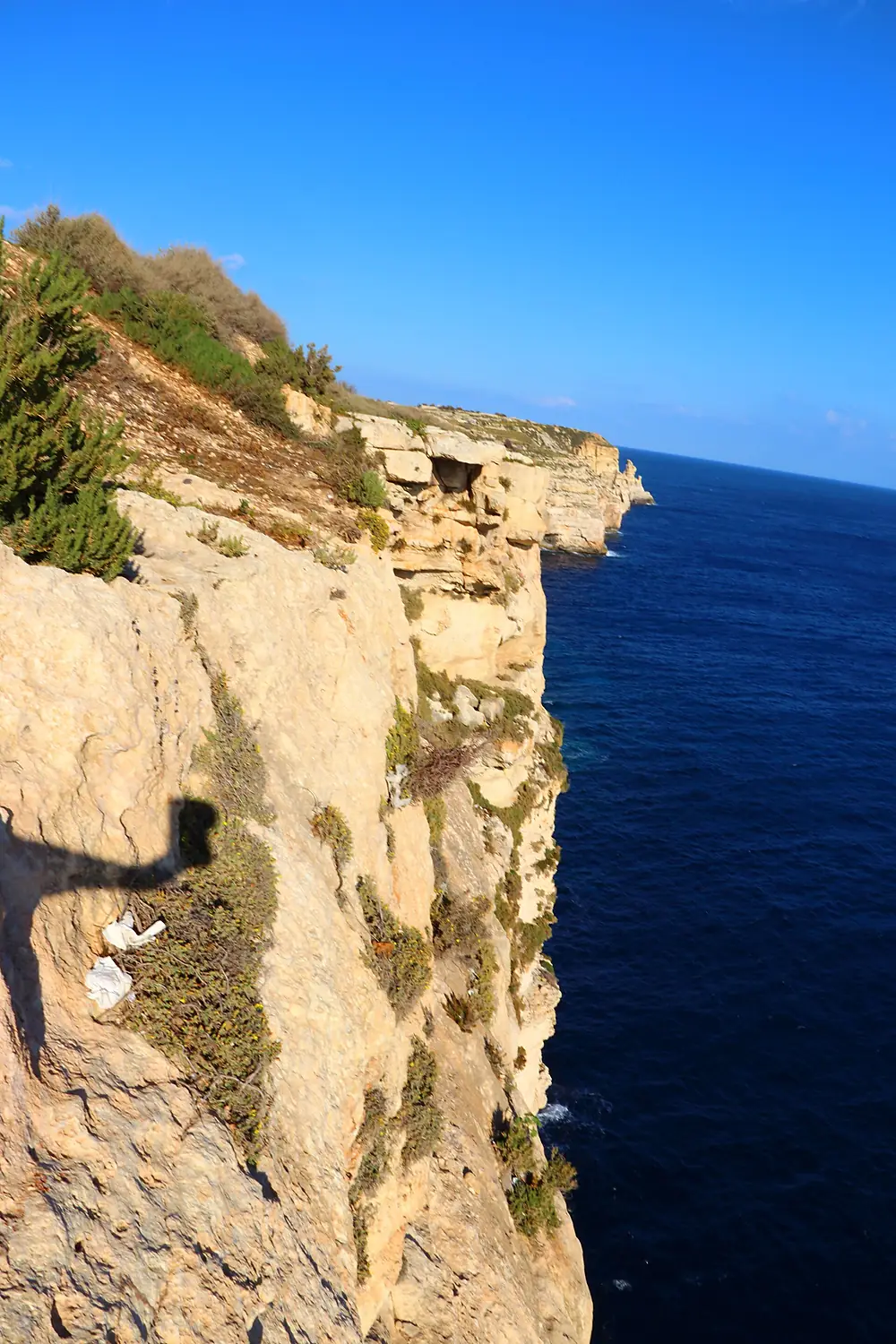
 Malta Important Bird Area
West of Wied ix-Xaqqa to Wied Maqbyl Cliffs Important Bird Area
108 bird species recorded; the most in April.
Talha Sariyürek · CC BY 3.0
This month here
31 species in January.18 species in February.63 species in March.87 species in April.48 species in May.16 species in June.15 species in July.13 species in August.51 species in September.43 species in October.29 species in November.27 species in December.
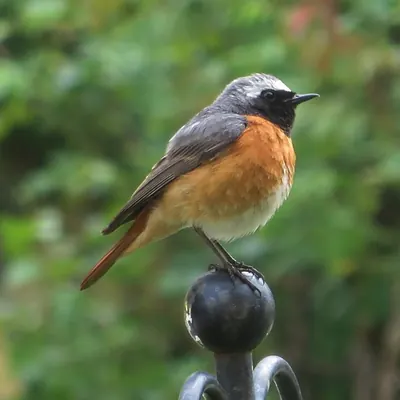
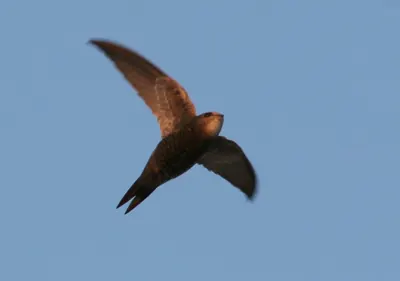
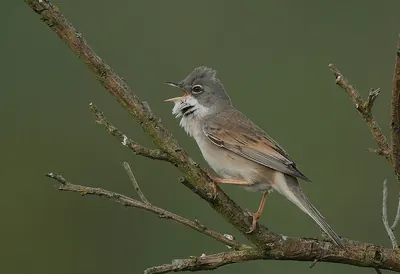
The birds you are most likely to see in the month you choose, those that come for the season first. It opens on today's month.
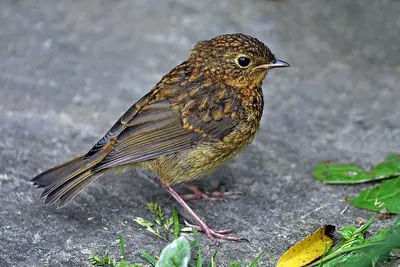
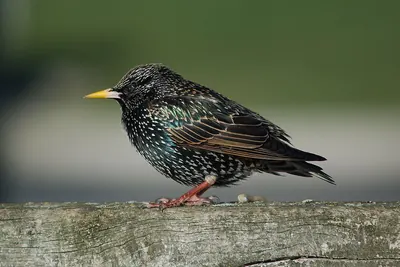
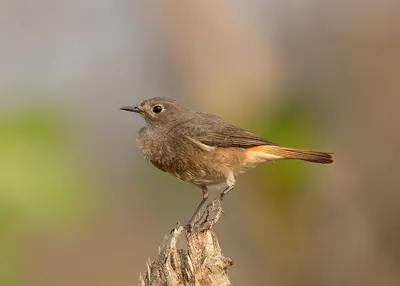
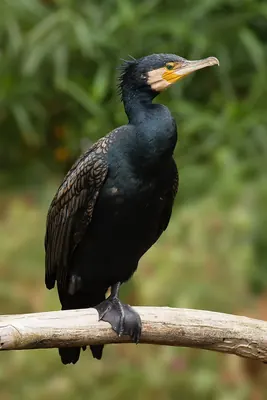
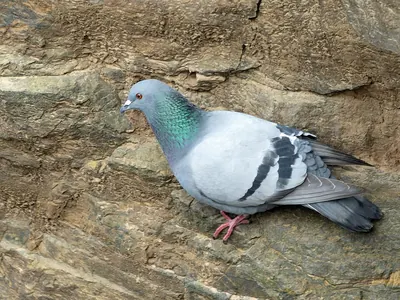
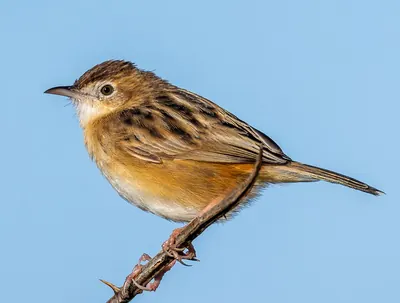
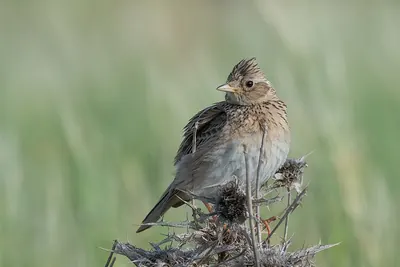
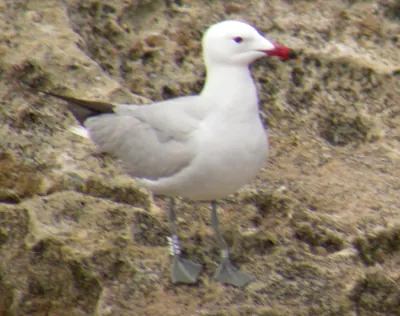
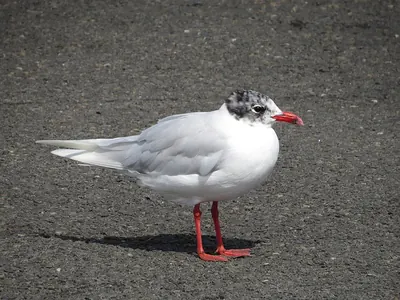
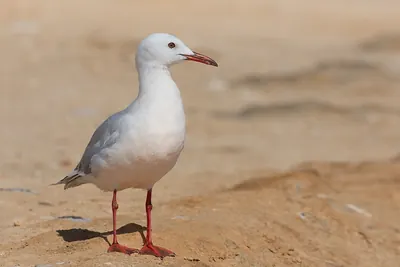
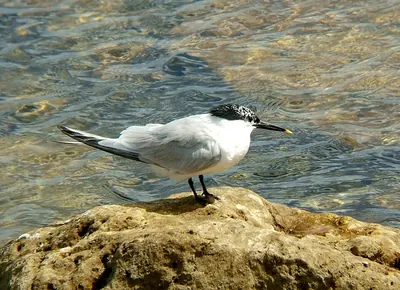
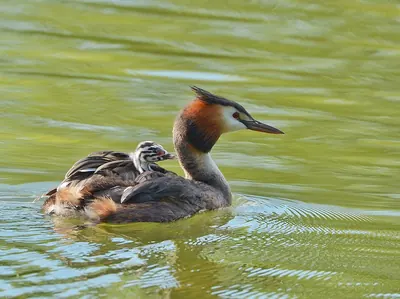
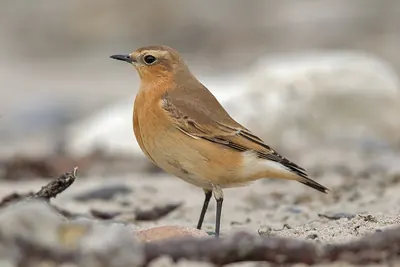
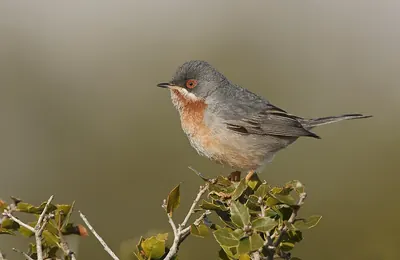
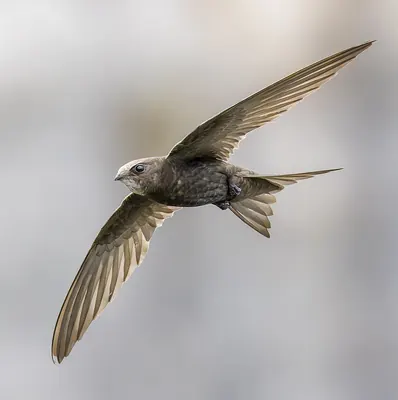
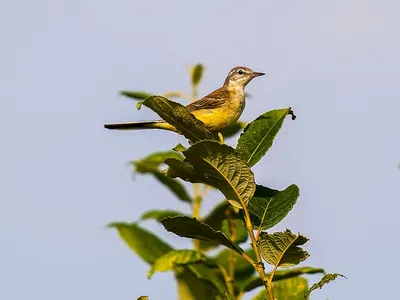
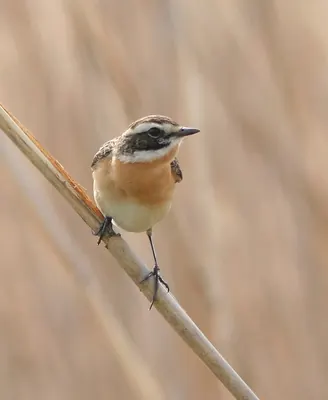
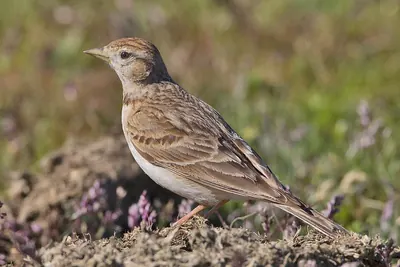
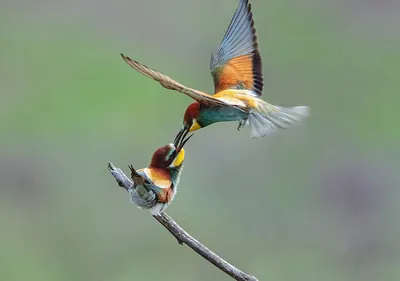
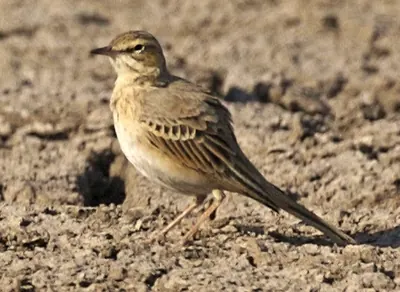
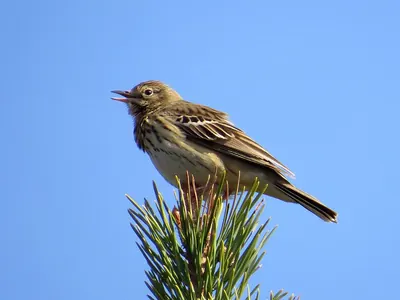
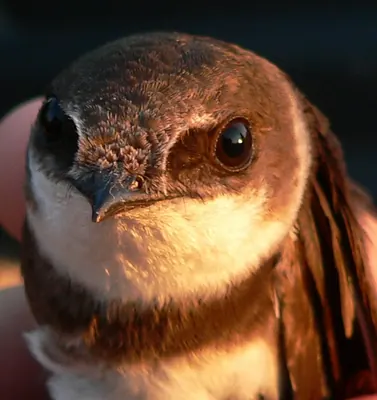
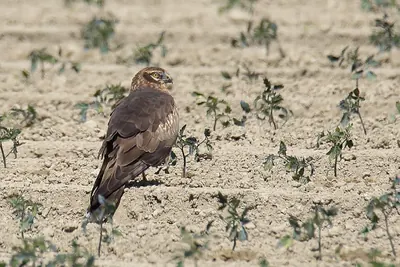
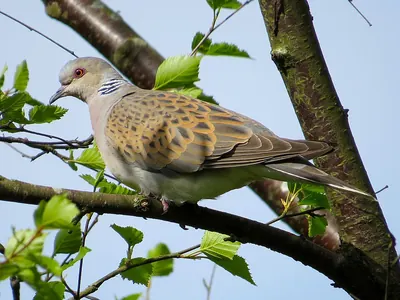 VU
VU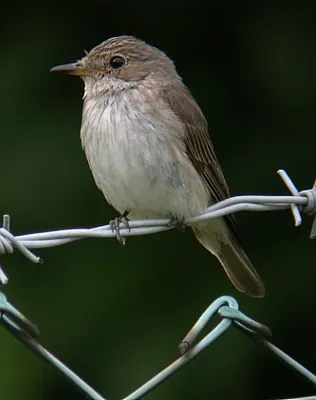
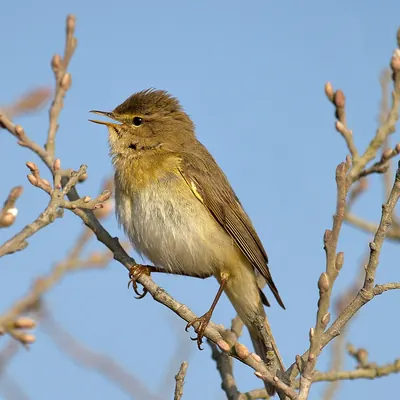
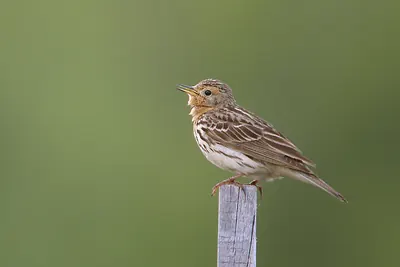
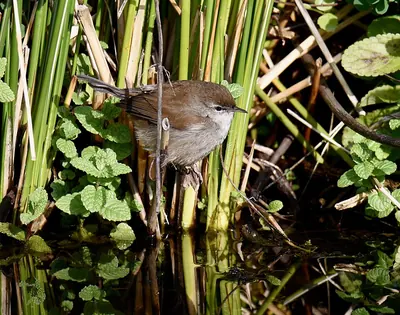 VU
VU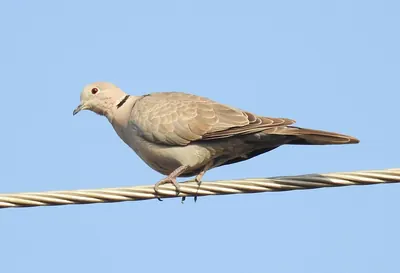
 VU
VU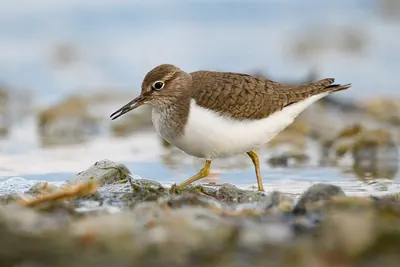
 VU
VU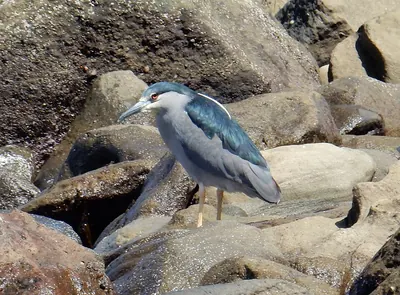
 VU
VU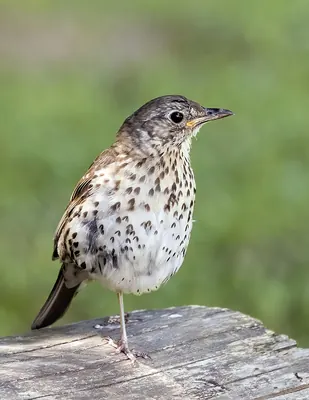
- Resident all year
- Summer visitor comes to breed
- Winter visitor comes for the winter
- Passage migrant in spring and autumn
In numbers
108 species, counted.
Our own rating, from the records only: species (50 points), threatened species (20), migrants (20) and protected status — Ramsar, IBA, SPA, observatory (10).
- 108Speciesrecorded more than once
- 61Migrantssummer, winter or passage visitors
- 3ThreatenedVulnerable, Endangered or Critically Endangered (IUCN)
- 3,156Recordsopen records within 6 km
- 11Raptors
- 1Owls
- 10Waders
- 11Gulls & seabirds
- 2Ducks & geese
- 8Herons, ibises & grebes
- 52Songbirds
- 13Other birds
From open records (eBird and others, through GBIF, licensed for any use). More birdwatchers mean more records: a quiet place may have more birds than it shows.
The checklist
All 108 species.
By group, with the year in twelve cells: the darker the cell, the more often the bird is recorded that month.
Raptors11 species
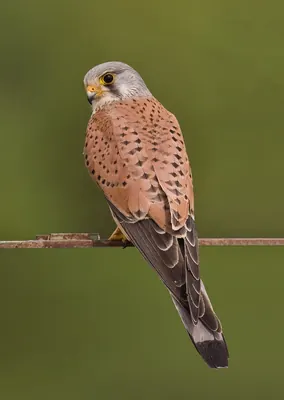
- Common KestrelFalco tinnunculus
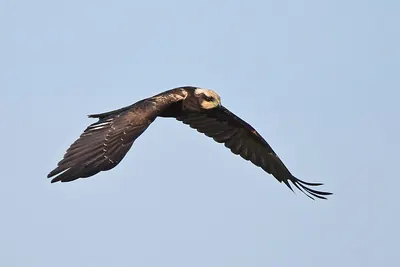
- Western Marsh HarrierCircus aeruginosus
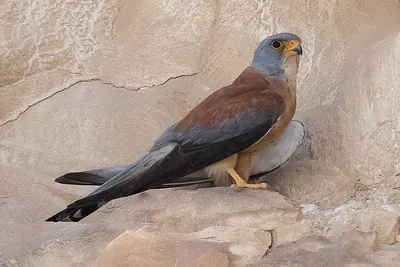
- Lesser kestrelFalco naumanni
- Montagu's HarrierCircus pygargus
- Pallid HarrierCircus macrourusNT
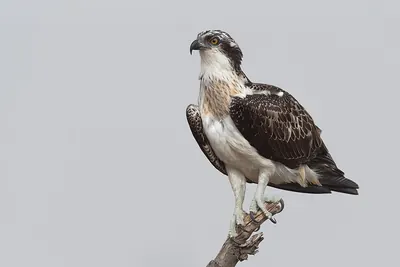
- OspreyPandion haliaetus
- Red-footed FalconFalco vespertinusVU
- European HobbyFalco subbuteo
- European Honey-buzzardPernis apivorus
- Eleonora's FalconFalco eleonorae
- Black KiteMilvus migrans
Owls1 species
- Short-eared OwlAsio flammeus
Waders10 species
- Collared PratincoleGlareola pratincola
- Common SandpiperActitis hypoleucos
- Common Ringed PloverCharadrius hiaticula
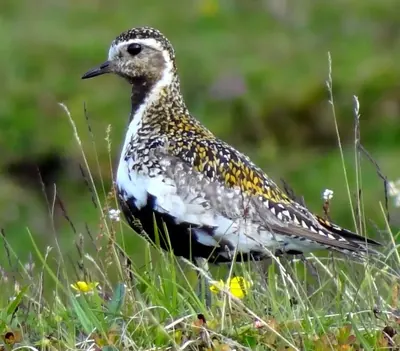
- European Golden PloverPluvialis apricaria
- Wood SandpiperTringa glareola
- Black-winged StiltHimantopus himantopus
- Eurasian DotterelCharadrius morinellus
- Common SnipeGallinago gallinago
- Eurasian Stone-curlewBurhinus oedicnemus
- RuffCalidris pugnax
Gulls & seabirds11 species
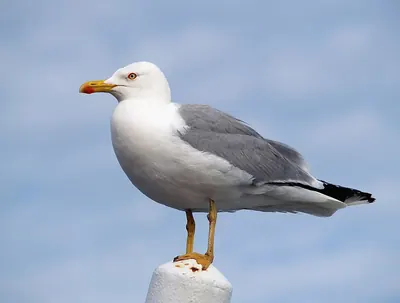
- Yellow-legged GullLarus michahellis
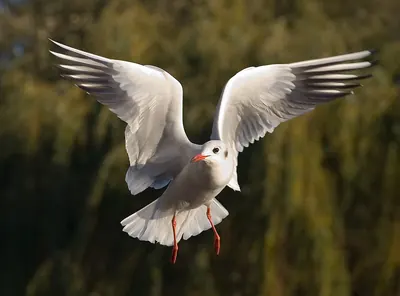
- Black-headed GullChroicocephalus ridibundus
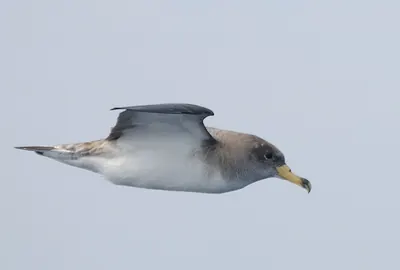
- Scopoli's ShearwaterCalonectris diomedea
- Audouin's GullIchthyaetus audouinii
- Mediterranean GullIchthyaetus melanocephalus
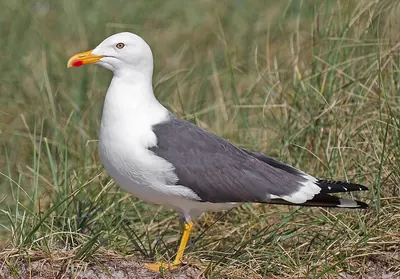
- Lesser Black-backed GullLarus fuscus
- Slender-billed GullChroicocephalus genei
- Sandwich TernThalasseus sandvicensis
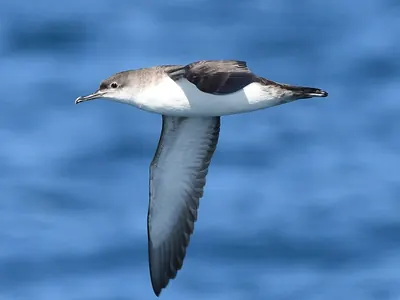
- Yelkouan ShearwaterPuffinus yelkouanVU
- Pontic gullLarus cachinnans
- Caspian TernHydroprogne caspia
Ducks & geese2 species
- MallardAnas platyrhynchos
- Cairina moschataCairina moschata
Herons, ibises & grebes8 species
- Great CormorantPhalacrocorax carbo
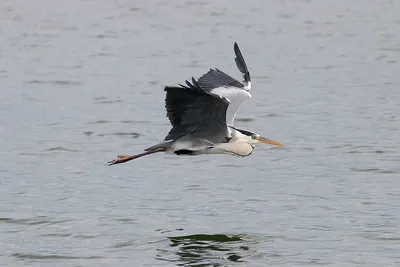
- Grey HeronArdea cinerea
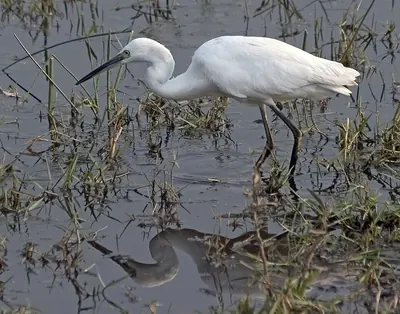
- Little EgretEgretta garzetta
- Black-crowned Night-HeronNycticorax nycticorax
- Purple heronArdea purpurea
- Great Crested GrebePodiceps cristatus
- Western Cattle EgretBubulcus ibis
- Squacco HeronArdeola ralloides
Songbirds52 species
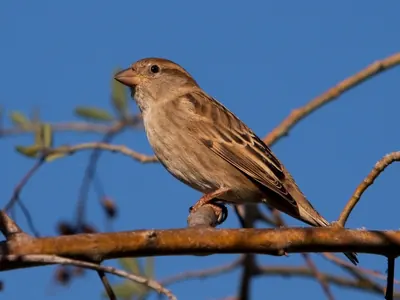
- Spanish sparrowPasser hispaniolensis
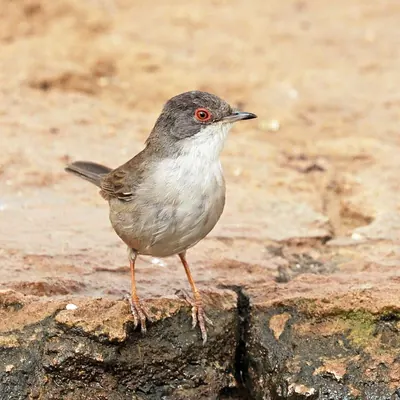
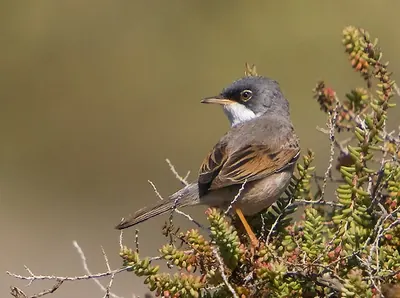
- Sardinian WarblerCurruca melanocephala
- Zitting CisticolaCisticola juncidis
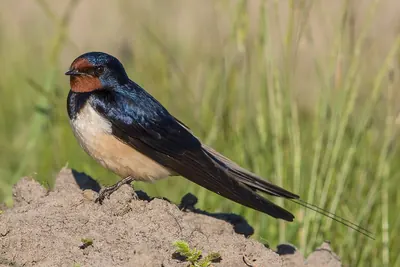
- Barn swallowHirundo rustica
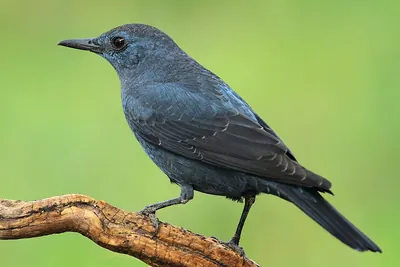
- Blue Rock ThrushMonticola solitarius
- European RobinErithacus rubecula
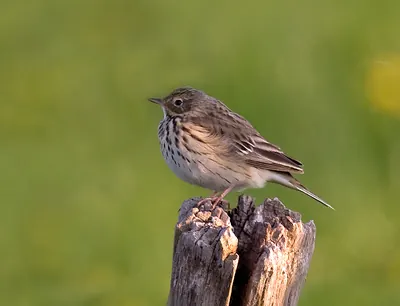
- Meadow PipitAnthus pratensis
- Western Yellow WagtailMotacilla flava
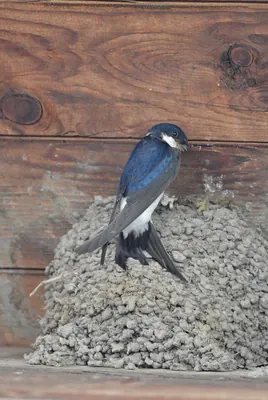
- Common House MartinDelichon urbicum
- Greater Short-toed LarkCalandrella brachydactyla
- WhinchatSaxicola rubetra
- Northern WheatearOenanthe oenanthe
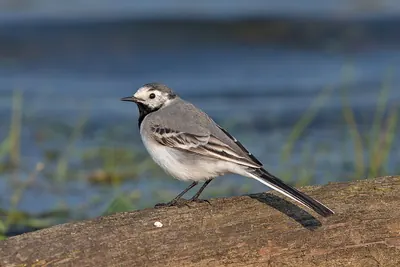
- White WagtailMotacilla alba
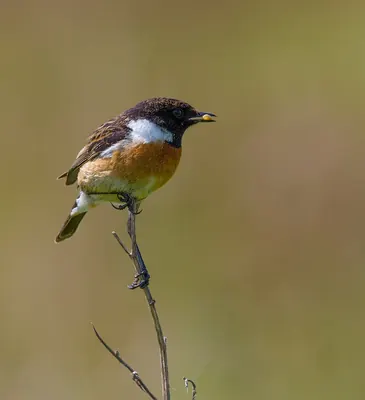
- European StonechatSaxicola rubicola
- Common StarlingSturnus vulgaris
- Tawny PipitAnthus campestris
- Black RedstartPhoenicurus ochruros
- SkylarkAlauda arvensis
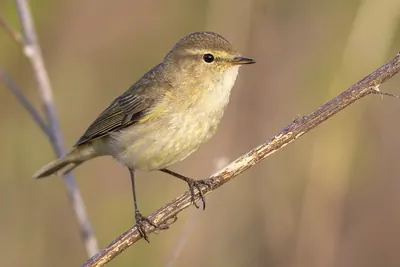
- Common ChiffchaffPhylloscopus collybita
- Tree PipitAnthus trivialis
- Sand MartinRiparia riparia
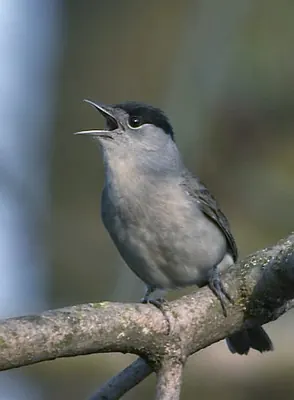
- BlackcapSylvia atricapilla
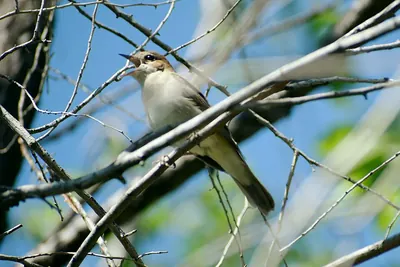
- Spotted FlycatcherMuscicapa striata
- Red-throated PipitAnthus cervinus
- Eastern Subalpine WarblerCurruca cantillans
- Spectacled WarblerSylvia conspicillata
- European Pied FlycatcherFicedula hypoleuca
- Common RedstartPhoenicurus phoenicurus
- Wood WarblerPhylloscopus sibillatrix
- Woodchat ShrikeLanius senatorNT
- WhitethroatSylvia communis
- Cetti's WarblerCettia cetti
- Common NightingaleLuscinia megarhynchos
- Willow WarblerPhylloscopus trochilus
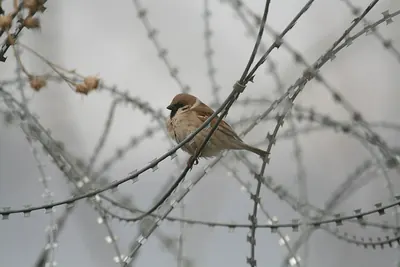
- Eurasian Tree SparrowPasser montanus
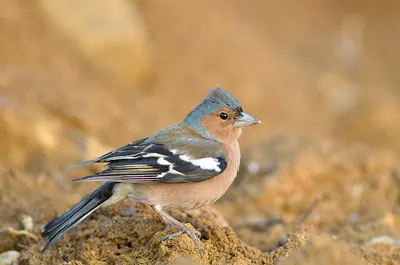
- Eurasian ChaffinchFringilla coelebs
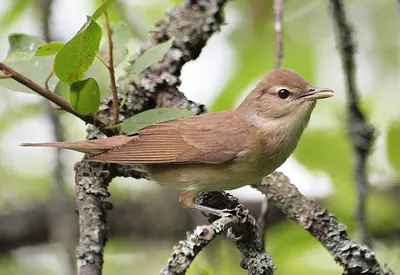
- Garden WarblerSylvia borin
- Icterine warblerHippolais icterina
- Western Black-eared WheatearOenanthe hispanica
- Isabelline wheatearOenanthe isabellina
- Collared FlycatcherFicedula albicollis
- Great Reed WarblerAcrocephalus arundinaceus
- Temminck's LarkEremophila bilopha
- Song ThrushTurdus philomelos
- Eurasian Golden OrioleOriolus oriolus
- Rufous-tailed Scrub RobinErythropygia galactotes
- Rüppell's WarblerSylvia ruppeli
- Grey WagtailMotacilla cinerea
- Ortolan buntingEmberiza hortulana
- Brown ShrikeLanius cristatus
- BluethroatLuscinia svecica
- Common LinnetLinaria cannabina
Other birds13 species
- Rock DoveColumba livia
- European SwiftApus apus
- Bee-eaterMerops apiaster
- European Turtle DoveStreptopelia turturVU
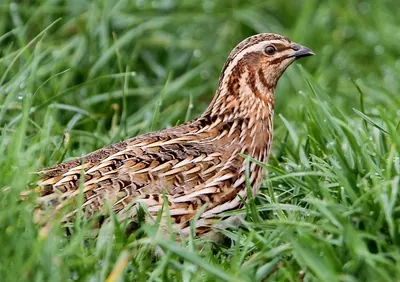
- Common QuailCoturnix coturnix
- Pallid SwiftApus pallidus
- Eurasian Collared DoveStreptopelia decaocto
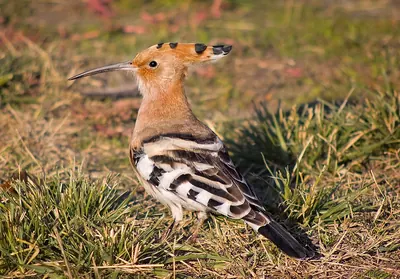
- Eurasian HoopoeUpupa epops
- WryneckJynx torquilla
- Common Wood PigeonColumba palumbus
- European RollerCoracias garrulus
- Common KingfisherAlcedo atthis
- European NightjarCaprimulgus europaeus
Monthly presence relative to all bird records that month, so a busy month does not inflate every species.
When to go
The most species in April.
Species recorded in each month, with the usual temperature and rain.
- Jan15°/14°74 mm
- Feb15°/13°65 mm
- Mar15°/14°51 mm
- Apr17°/16°33 mm
- May20°/18°17 mm
- Jun24°/22°11 mm
- Jul27°/25°4 mm
- Aug28°/26°10 mm
- Sep26°/24°63 mm
- Oct23°/22°82 mm
- Nov20°/19°95 mm
- Dec17°/16°82 mm
- Bar: species recorded that month.
- Temperature: average maximum / minimum (NASA, 1991–2020).
- Rain: monthly total.
The place
West of Wied ix-Xaqqa to Wied Maqbyl Cliffs Important Bird Area.
West of Wied ix-Xaqqa to Wied Maqbyl Cliffs Important Bird Area is an Important Bird Area (BirdLife) in Malta.
108 bird species have been recorded here more than once, in 3,156 open records.
The most recorded are the Spanish sparrow, the Sardinian Warbler and the Rock Dove.
26 species come for the summer, 18 for the winter and 17 only pass through.
3 are threatened worldwide, including European Turtle Dove, Red-footed Falcon and Yelkouan Shearwater.
The most species are recorded in April.
Get there and watch
- L-Iscouts taż-Żurrieqcampsite · 4.6 km · 3 within 10 km
- Seabreezeplace to stay · 2.9 km · 41 within 10 km
- Birżebbuġanearest town · 3.0 km in a straight line
- Malta International Airport (MLA)nearest airport with scheduled flights · 6 km in a straight lineCar hire at MLA airport (Valletta)Discover Cars · sponsored link↗
Plan the visit
A guided walk, a bed nearby, a car.
Some links above are affiliate links: if you book through them we may earn a commission, at no extra cost to you. It never changes what the data on this page says.
From above
The place and its surroundings.
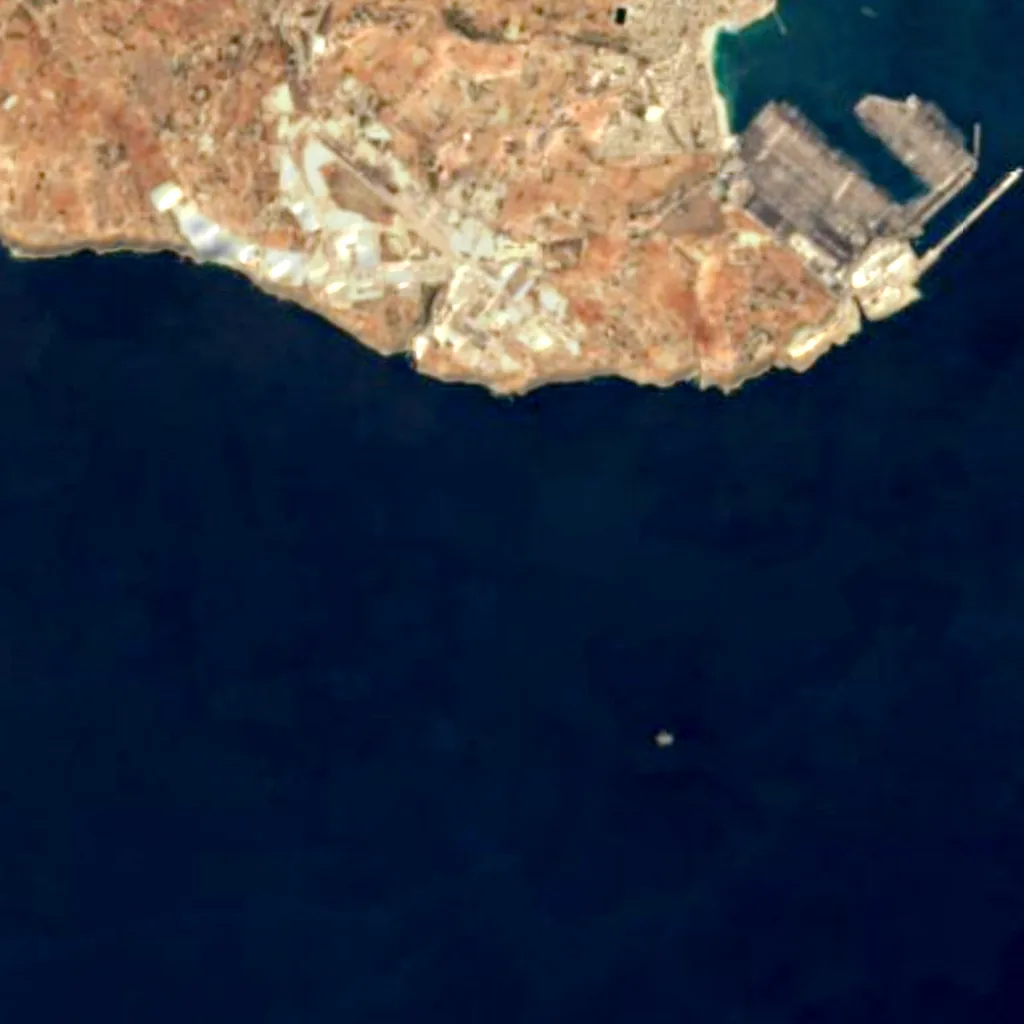
The satellite image of the 6 × 6 km around the place, with the bird hides, towers and trails that OpenStreetMap shows.
Around, in OpenStreetMap
- 16bird hides within 6 km
- 4marked trails within 4 kmWindmills Walk (Żurrieq-Safi), Ħal Millieri, Tas-Silġ Walk B and 1 more
- 1visitor centres within 6 kmTourist Information Office - Marsaxlokk
- 8viewpoints within 5 kmAirport Runway Viewpoint, Bay view, Ponta tat-Tumbrell and 5 more
- 22car parks within 3 km
- 13restaurants and cafés within 3 km
- 3campsites within 10 kmL-Iscouts taż-Żurrieq, wild camping
- 41places to stay within 10 kmSeabreeze, Water's Edge, Harbour Lodge and 38 more
- observation towers within 6 km
Counted in OpenStreetMap, the map anyone can edit. A low number may just mean nobody has mapped it yet.
In our other atlases
Around West of Wied ix-Xaqqa to Wied Maqbyl Cliffs Important Bird Area.
The lakes, beaches, islands, rivers and mountains around this place, and its night sky, in the family's atlases.
 Peakyas12 mountains within 25 km
 Coastya17 beaches within 10 km
 Darkskyas1 dark-sky places within 30 km
 Cavernyas5 caves within 20 km
Figures from the sister sites' databases (Wikidata, HydroATLAS, GeoNames, OpenStreetMap). Links open when each site is online.
Photographs
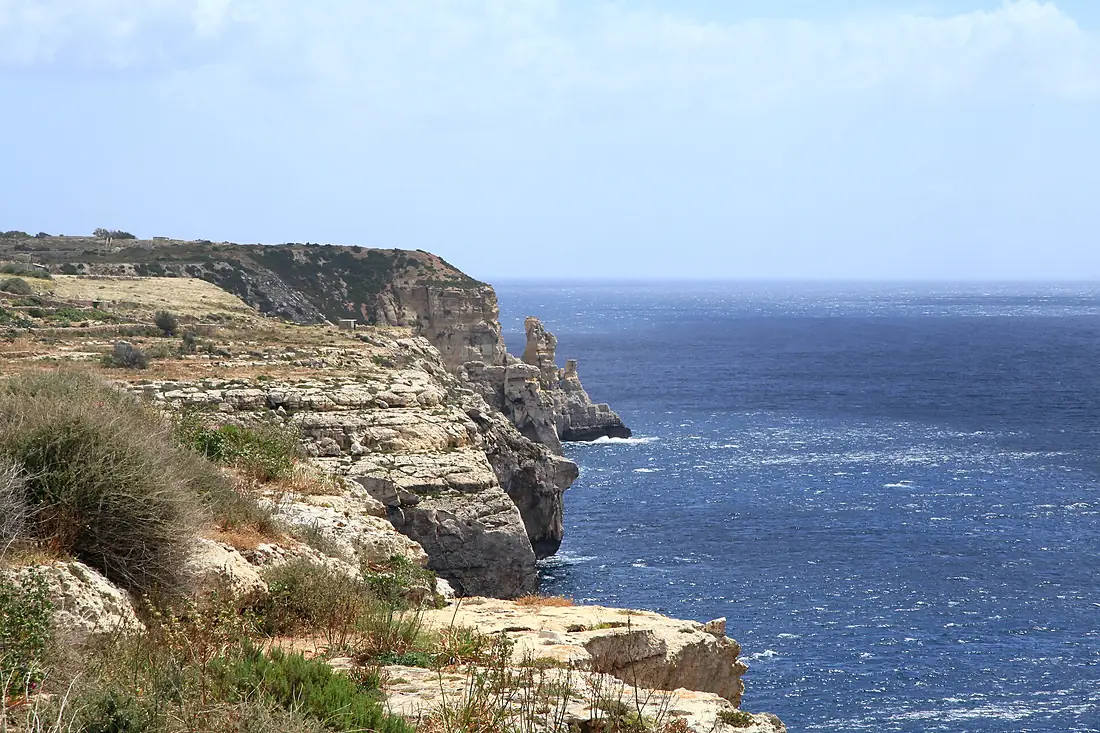
The place, as people saw it.
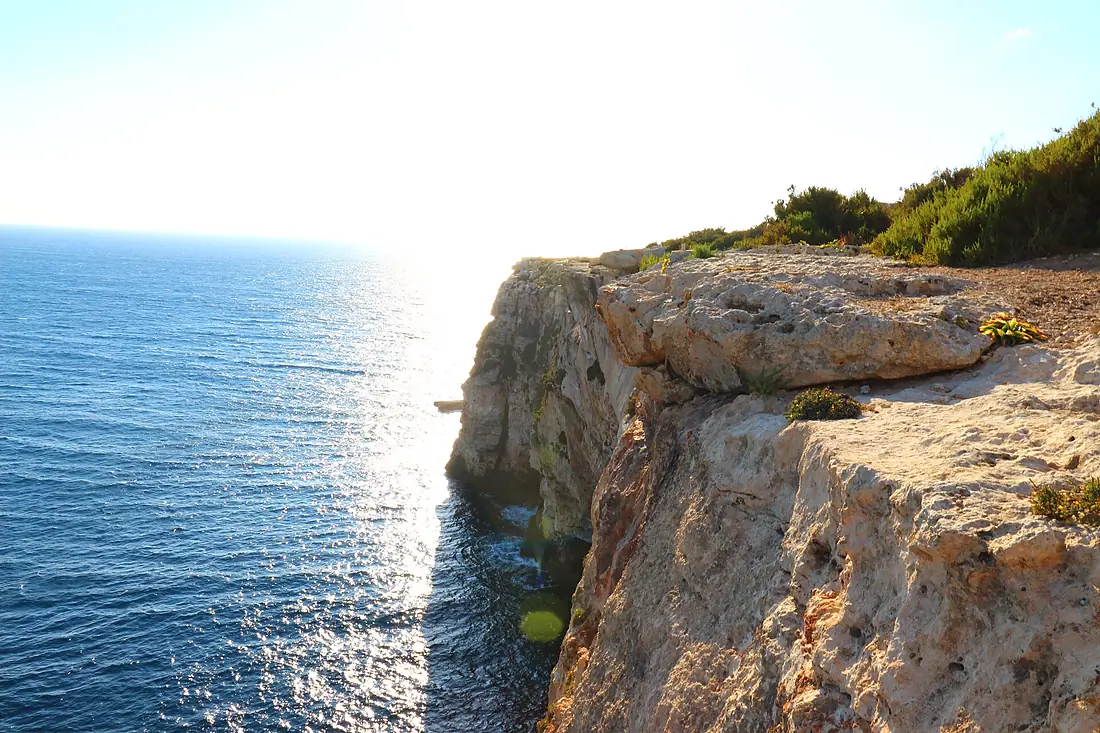
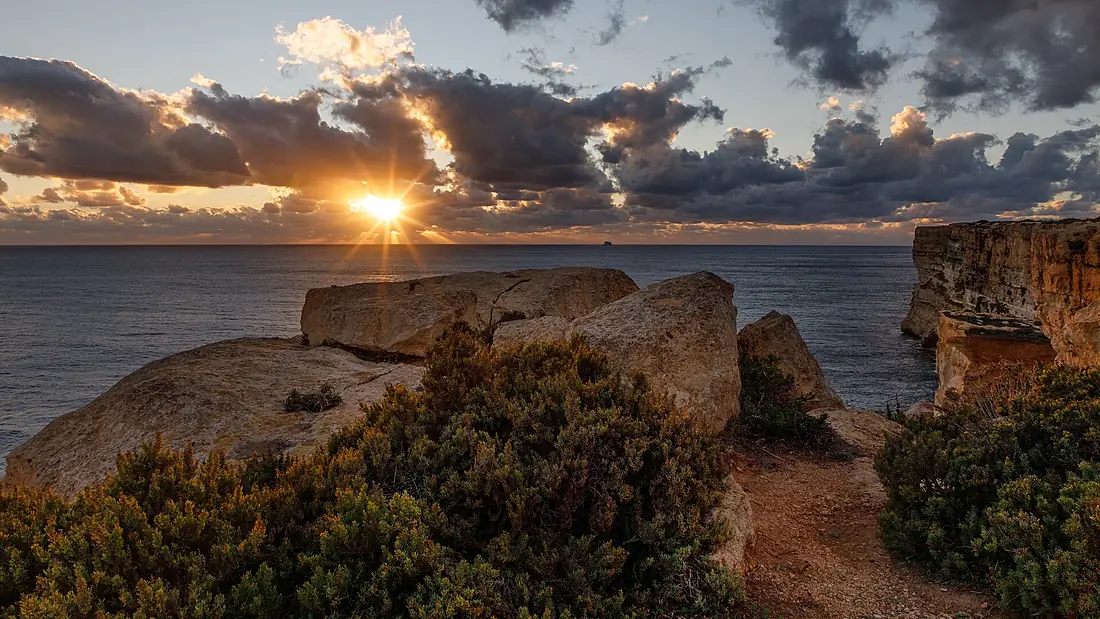
Other places nearby.
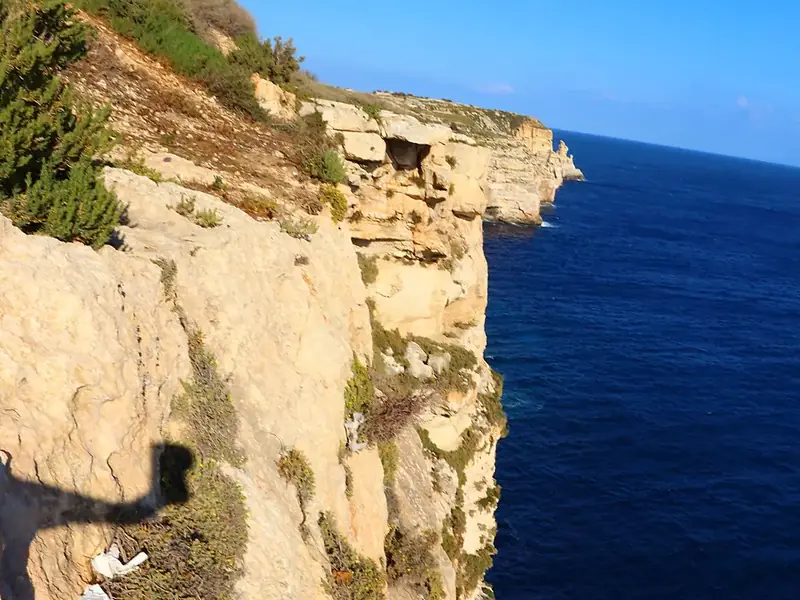
West of Wied ix-Xaqqa to Wied Maqbyl Cliffs Important Bird Area
Malta
- 59Birdyas Score
- 108Species
- 61Migrants
- 3Threatened
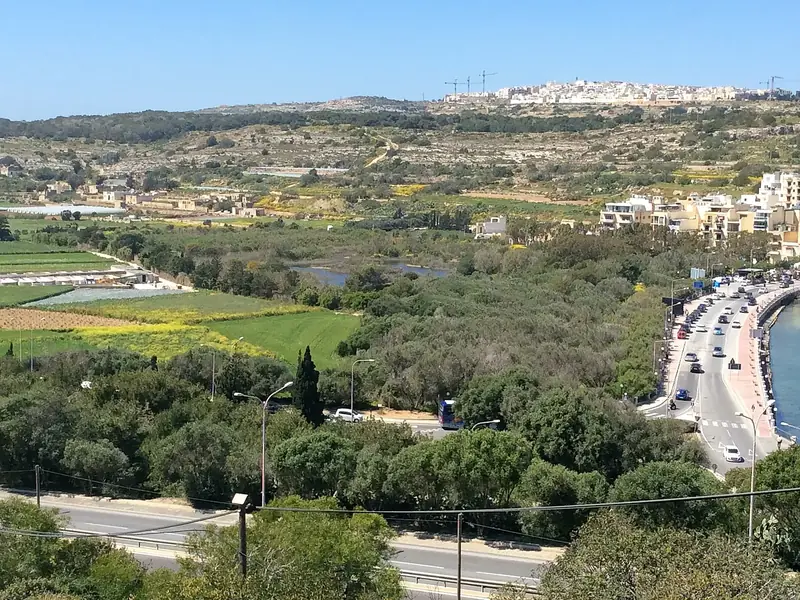
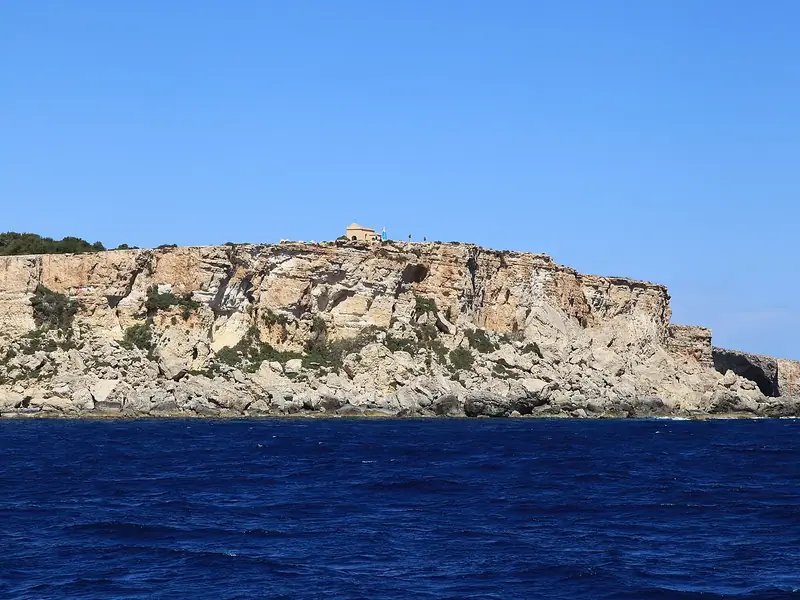
Rdum Tal-Madonna Important Bird Area
Malta · 24 km
- 82Birdyas Score
- 222Species
- 142Migrants
- 8Threatened
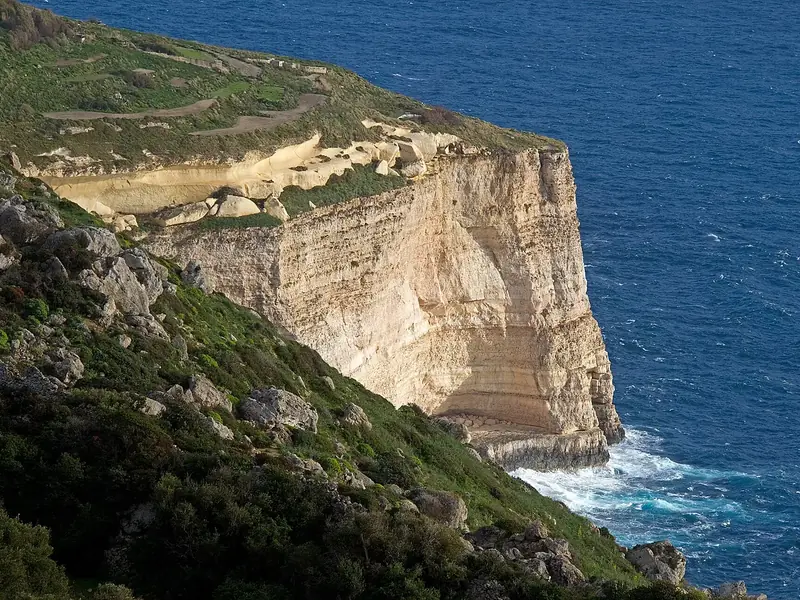
Il-Kullana to ta' Gifen Cliffs Important Bird Area
Malta · 11 km
- 68Birdyas Score
- 135Species
- 89Migrants
- 4Threatened
Where these figures come from
| Name and type | Wikidata (Q16897634) · CC0 |
|---|---|
| Birds | 3,156 open bird records within 6 km (GBIF, CC0 and CC BY 4.0 only; mostly eBird, Cornell Lab of Ornithology) |
| See these records | gbif.org |
| Species | GBIF Backbone Taxonomy · CC BY 4.0; Wikidata (CC0); Wikimedia Commons |
| Altitude | Copernicus DEM GLO-30 · © DLR e.V., © Airbus Defence and Space GmbH, Copernicus/ESA |
| Temperature and rain | NASA POWER (CERES SYN1deg, 2001–2020; MERRA-2) |
| What is around | © OpenStreetMap contributors · ODbL |
| Images | EOX Sentinel-2 cloudless 2016 · CC BY 4.0; Wikimedia Commons |
| Sister atlases | Peakyas, Coastya, Darkskyas, Cavernyas |
Every figure is an average, an estimate or a count from a public dataset. Licences and methods: data sources.
The family
Do you prefer beaches, lakes, mountains, waterfalls, islands, rivers, canyons, caves, dark skies, viewpoints, birdwatching or forests?
Same idea, other landscapes: field atlases built on open data, in seven languages.
beaches Find your beach: sea temperature, sun and swimming month by month.Visit
  lakes
lakes Every lake on Earth: water temperature, ice, depth and the shore.Visit mountains
 Every summit in 3D: summit weather, the 0 °C line, huts and trails.Visit
  waterfalls
 Every waterfall: height, flow month by month and when it roars.Visit
  islands
 Every island from the sea up: size, sea temperature, ferries and 3D.Visit
  rivers
 Every river from source to sea: the journey, the flow and the basin in numbers.Visit
  canyons
 Every canyon cut to scale: depth to the floor, rim and floor temperatures, trails and viewpoints.Visit caves
 Every cave with its real depth and length: the rock above, the temperature inside all year, and how to visit.Visit dark skies
 Where the night is still dark: the sky of every place, the Milky Way month by month, the Moon, eclipses and auroras.Visit
  viewpoints
 Every viewpoint with its real 360° panorama: the peaks you can name, how far you see and where the sun sets.Coming soonVisit
  birdwatching
 Every bird sanctuary and wetland with the species recorded month by month: who is resident, who comes for the summer, who only passes through.You are here
 forests
 Every forest with its land-cover rings, what grows and lives in it, and the best months to walk it.Coming soonVisit