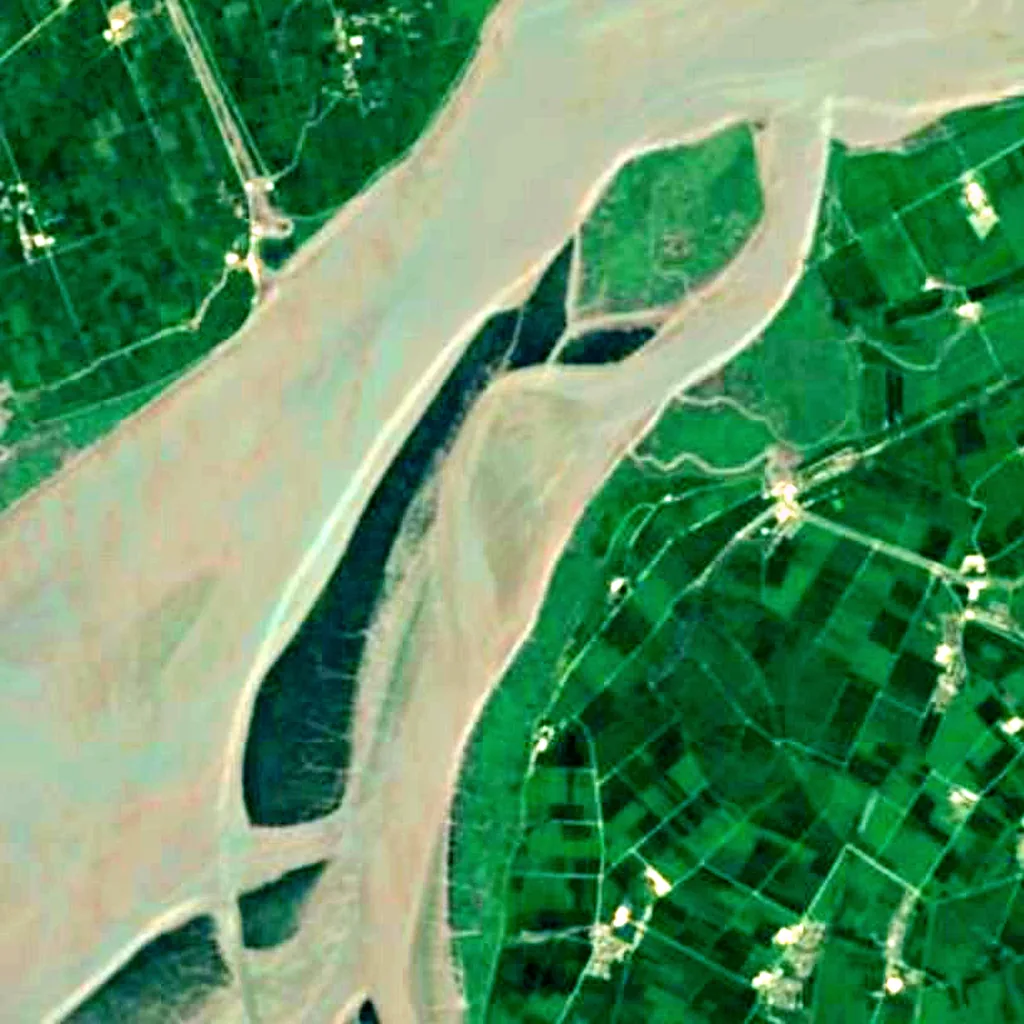
 North Korea Ramsar wetland
Mundok Migratory Bird Reserve
54 bird species recorded; the most in May.
Sentinel-2 cloudless 2016 by EOX IT Services GmbH (contains modified Copernicus Sentinel data), CC BY 4.0, with relief shading from Copernicus WorldDEM-30
This month here
0 species in January.0 species in February.9 species in March.34 species in April.49 species in May.0 species in June.0 species in July.0 species in August.0 species in September.0 species in October.0 species in November.0 species in December.
The birds you are most likely to see in the month you choose, those that come for the season first. It opens on today's month.
No records for this month.
No records for this month.
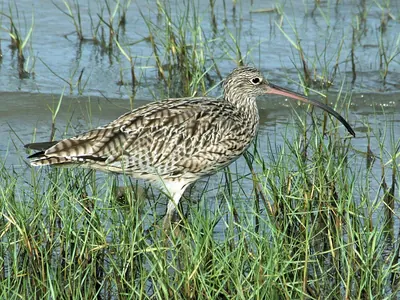
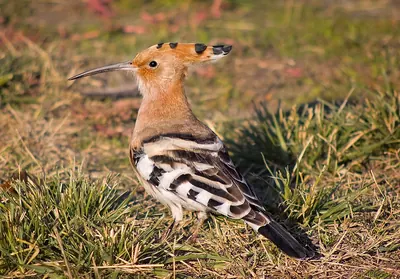
No records for this month.
No records for this month.
No records for this month.
No records for this month.
No records for this month.
No records for this month.
No records for this month.
- Resident all year
- Summer visitor comes to breed
- Winter visitor comes for the winter
- Passage migrant in spring and autumn
In numbers
54 species, counted.
Our own rating, from the records only: species (50 points), threatened species (20), migrants (20) and protected status — Ramsar, IBA, SPA, observatory (10).
- 54Speciesrecorded more than once
- 5Migrantssummer, winter or passage visitors
- 3ThreatenedVulnerable, Endangered or Critically Endangered (IUCN)
- 247Recordsopen records within 6 km
- 1Raptors
- 18Waders
- 5Gulls & seabirds
- 6Ducks & geese
- 4Herons, ibises & grebes
- 12Songbirds
- 8Other birds
From open records (eBird and others, through GBIF, licensed for any use). More birdwatchers mean more records: a quiet place may have more birds than it shows.
The checklist
All 54 species.
By group, with the year in twelve cells: the darker the cell, the more often the bird is recorded that month.
Raptors1 species
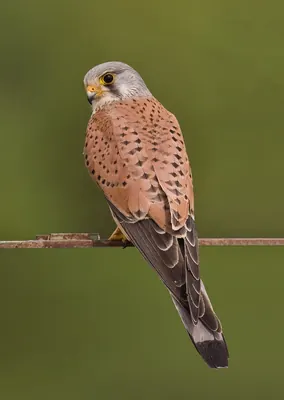
- Common KestrelFalco tinnunculus
Waders18 species
- DunlinCalidris alpinaNT
- Eurasian WhimbrelNumenius phaeopus
- Grey PloverPluvialis squatarolaVU
- Common GreenshankTringa nebularia
- Far Eastern CurlewNumenius madagascariensis
- Eurasian CurlewNumenius arquataNT
- Bar-tailed godwitLimosa lapponicaNT
- Terek SandpiperXenus cinereus
- RedshankTringa totanus
- Black-tailed GodwitLimosa limosaNT
- Wood SandpiperTringa glareola
- Red-necked StintCalidris ruficollisNT
- Great KnotCalidris tenuirostris
- Sharp-tailed SandpiperCalidris acuminataVU
- Ruddy TurnstoneArenaria interpresNT
- Common SandpiperActitis hypoleucos
- Black-winged StiltHimantopus himantopus
- Broad-billed SandpiperCalidris falcinellusVU
Gulls & seabirds5 species
- Black-tailed GullLarus crassirostris
- Black-headed GullChroicocephalus ridibundus
- White-winged TernChlidonias leucopterus
- Lesser Black-backed GullLarus fuscus
- Saunders's GullChroicocephalus saundersi
Ducks & geese6 species
- Common ShelduckTadorna tadorna
- Chinese Spot-billed DuckAnas zonorhyncha
- Ruddy ShelduckTadorna ferruginea
- Northern PintailAnas acuta
- Eurasian TealAnas crecca
- MallardAnas platyrhynchos
Herons, ibises & grebes4 species
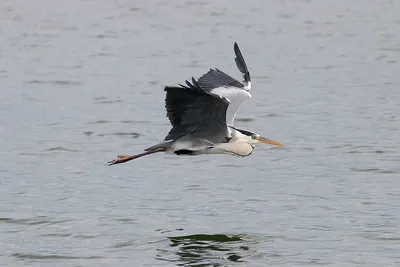
- Grey HeronArdea cinerea
- Great White EgretArdea alba
- Black-crowned Night-HeronNycticorax nycticorax
- Striated HeronButorides striata
Songbirds12 species
- Oriental MagpiePica serica
- Eurasian Tree SparrowPasser montanus
- Barn swallowHirundo rustica
- White WagtailMotacilla alba
- Chinese Penduline TitRemiz consobrinus
- Sand MartinRiparia riparia
- Eastern Yellow WagtailMotacilla tschutschensis
- Pallas's Reed HuntingEmberiza pallasi
- Brown ShrikeLanius cristatus
- Muscicapa latirostrisMuscicapa latirostris
- Oriental Reed WarblerAcrocephalus orientalis
- Eastern Red-rumped SwallowCecropis daurica
Other birds8 species
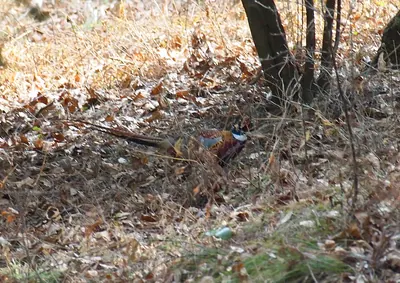
- Common PheasantPhasianus colchicus
- Oriental Turtle DoveStreptopelia orientalis
- Eurasian Collared DoveStreptopelia decaocto
- Eurasian HoopoeUpupa epops
- Common KingfisherAlcedo atthis
- Hill PigeonColumba rupestris
- Oriental DollarbirdEurystomus orientalis
- Common CuckooCuculus canorus
Monthly presence relative to all bird records that month, so a busy month does not inflate every species.
When to go
The most species in May.
Species recorded in each month, with the usual temperature and rain.
- Jan-2°/-11°7 mm
- Feb1°/-8°19 mm
- Mar7°/-3°24 mm
- Apr14°/3°55 mm
- May21°/10°82 mm
- Jun26°/16°105 mm
- Jul27°/20°308 mm
- Aug27°/20°250 mm
- Sep24°/15°97 mm
- Oct17°/7°50 mm
- Nov8°/0°52 mm
- Dec0°/-8°17 mm
- Bar: species recorded that month.
- Temperature: average maximum / minimum (NASA, 1991–2020).
- Rain: monthly total.
The place
Mundok Migratory Bird Reserve.
Mundok Migratory Bird Reserve is a wetland of international importance (Ramsar) in North Korea.
54 bird species have been recorded here more than once, in 247 open records.
The most recorded are the Common Kestrel, the Oriental Magpie and the Common Shelduck.
2 species come for the summer, 0 for the winter and 3 only pass through.
3 are threatened worldwide, including Grey Plover, Sharp-tailed Sandpiper and Broad-billed Sandpiper.
The most species are recorded in May.
Get there and watch
- Sil-linearest town · 8.8 km in a straight line
- Pyongyang Sunan International Airport (FNJ)nearest airport with scheduled flights · 43 km in a straight lineCar hire at ICN airport (Seoul)Discover Cars · sponsored link↗
Plan the visit
A guided walk, a bed nearby, a car.
Some links above are affiliate links: if you book through them we may earn a commission, at no extra cost to you. It never changes what the data on this page says.
From above
The place and its surroundings.
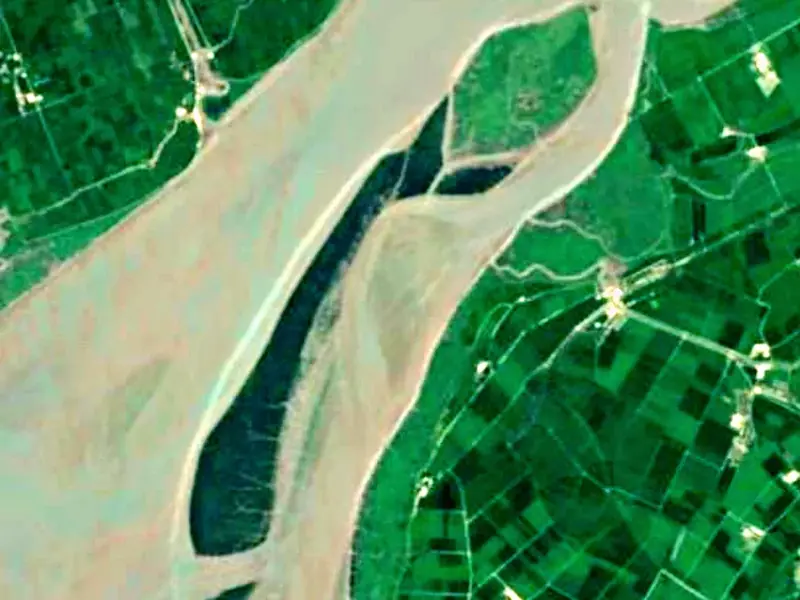
The satellite image of the 6 × 6 km around the place, with the bird hides, towers and trails that OpenStreetMap shows.
Around, in OpenStreetMap
- bird hides within 6 km
- observation towers within 6 km
- marked trails within 4 km
- visitor centres within 6 km
- viewpoints within 5 km
- car parks within 3 km
- restaurants and cafés within 3 km
- campsites within 10 km
- places to stay within 10 km
Counted in OpenStreetMap, the map anyone can edit. A low number may just mean nobody has mapped it yet.
In our other atlases
Around Mundok Migratory Bird Reserve.
The lakes, beaches, islands, rivers and mountains around this place, and its night sky, in the family's atlases.
 Cavernyas1 caves within 20 km
Figures from the sister sites' databases (Wikidata, HydroATLAS, GeoNames, OpenStreetMap). Links open when each site is online.
Other places nearby.
Mundok Migratory Bird Reserve
North Korea
- 44Birdyas Score
- 54Species
- 5Migrants
- 3Threatened

Ganghwa Maehwamarum Habitat
South Korea · 236 km
- 86Birdyas Score
- 207Species
- 132Migrants
- 12Threatened
Where these figures come from
| Name and type | Wikidata (Q124974577) · CC0 |
|---|---|
| Birds | 247 open bird records within 6 km (GBIF, CC0 and CC BY 4.0 only; mostly eBird, Cornell Lab of Ornithology) |
| See these records | gbif.org |
| Species | GBIF Backbone Taxonomy · CC BY 4.0; Wikidata (CC0); Wikimedia Commons |
| Altitude | Copernicus DEM GLO-30 · © DLR e.V., © Airbus Defence and Space GmbH, Copernicus/ESA |
| Temperature and rain | NASA POWER (CERES SYN1deg, 2001–2020; MERRA-2) |
| What is around | © OpenStreetMap contributors · ODbL |
| Images | EOX Sentinel-2 cloudless 2016 · CC BY 4.0; Wikimedia Commons |
| Sister atlases | Cavernyas |
Every figure is an average, an estimate or a count from a public dataset. Licences and methods: data sources.
The family
Do you prefer beaches, lakes, mountains, waterfalls, islands, rivers, canyons, caves, dark skies, viewpoints, birdwatching or forests?
Same idea, other landscapes: field atlases built on open data, in seven languages.
 beaches
 Find your beach: sea temperature, sun and swimming month by month.Visit
  lakes
lakes Every lake on Earth: water temperature, ice, depth and the shore.Visit
  mountains
 Every summit in 3D: summit weather, the 0 °C line, huts and trails.Visit
  waterfalls
 Every waterfall: height, flow month by month and when it roars.Visit
  islands
 Every island from the sea up: size, sea temperature, ferries and 3D.Visit
  rivers
 Every river from source to sea: the journey, the flow and the basin in numbers.Visit
  canyons
 Every canyon cut to scale: depth to the floor, rim and floor temperatures, trails and viewpoints.Visit caves
 Every cave with its real depth and length: the rock above, the temperature inside all year, and how to visit.Visit
  dark skies
 Where the night is still dark: the sky of every place, the Milky Way month by month, the Moon, eclipses and auroras.Visit
  viewpoints
 Every viewpoint with its real 360° panorama: the peaks you can name, how far you see and where the sun sets.Coming soonVisit
  birdwatching
 Every bird sanctuary and wetland with the species recorded month by month: who is resident, who comes for the summer, who only passes through.You are here
 forests
 Every forest with its land-cover rings, what grows and lives in it, and the best months to walk it.Coming soonVisit