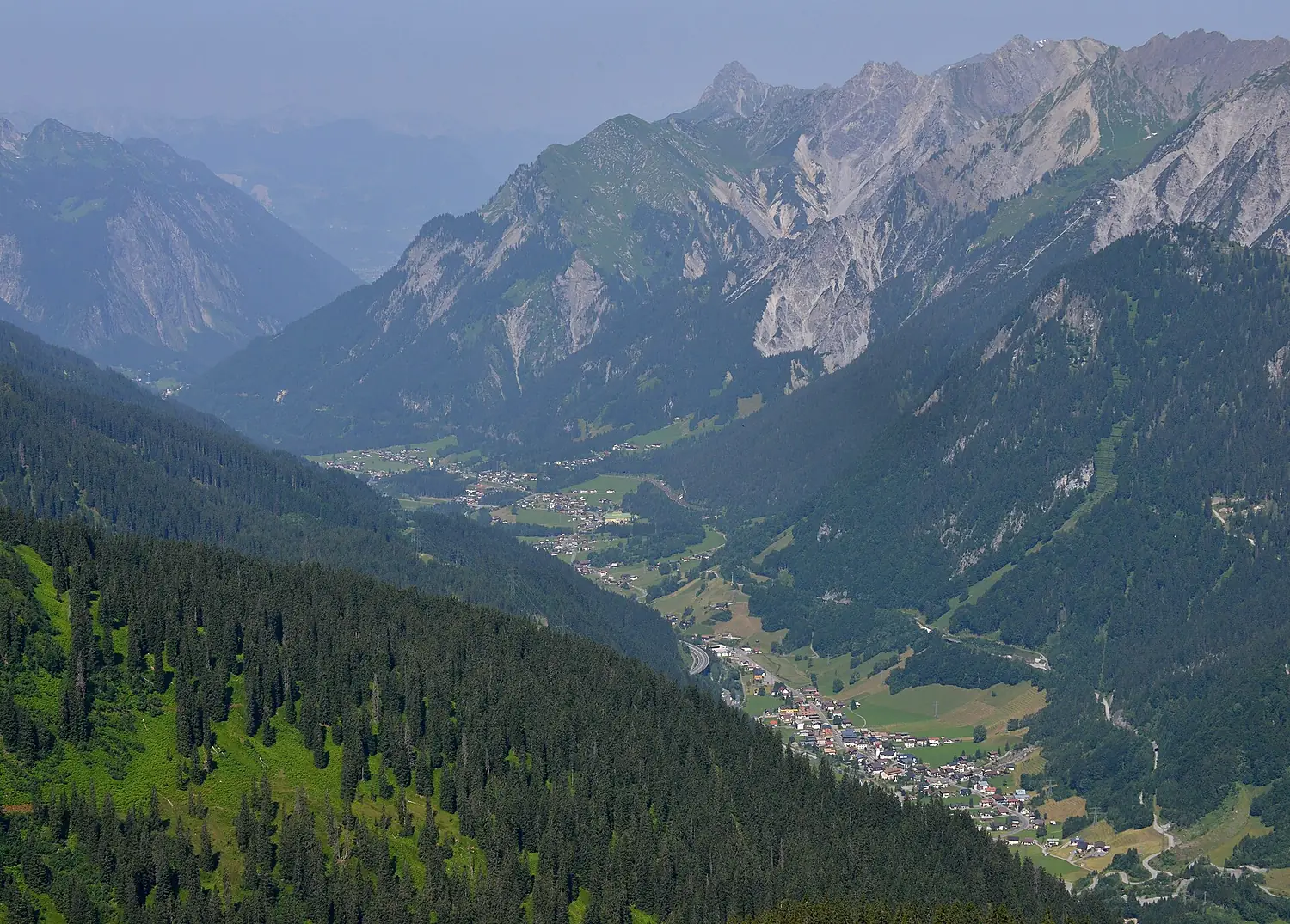
 Austria Special Protection Area for birds
Klostertaler Bergwälder
80 bird species recorded; the most in August.
Feel free to use my photos, but please mention me as the author and if you want send me a · CC BY-SA 3.0 at
This month here
9 species in January.30 species in February.41 species in March.21 species in April.42 species in May.28 species in June.40 species in July.46 species in August.42 species in September.6 species in October.3 species in November.9 species in December.
The birds you are most likely to see in the month you choose, those that come for the season first. It opens on today's month.
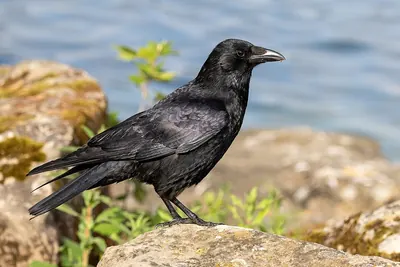
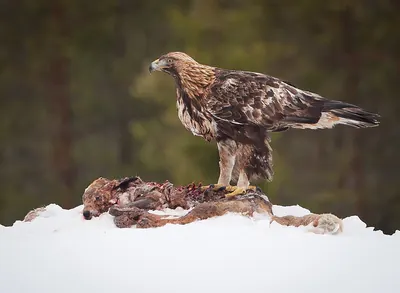
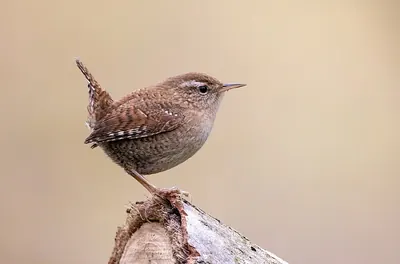
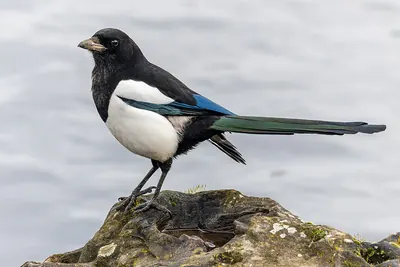
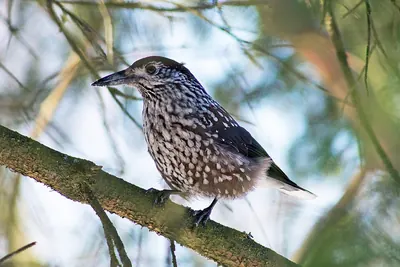
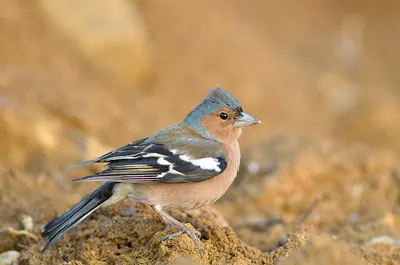
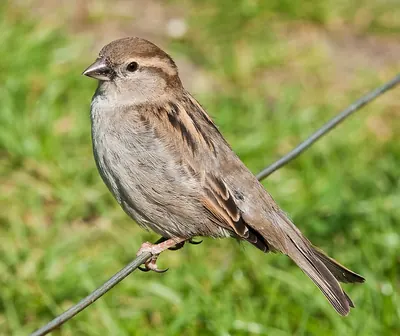
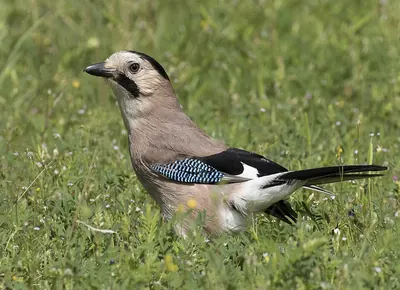
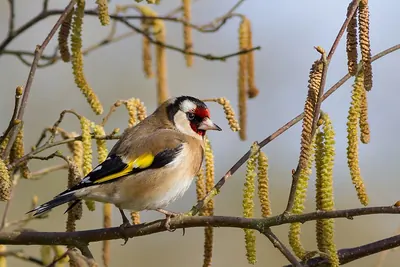
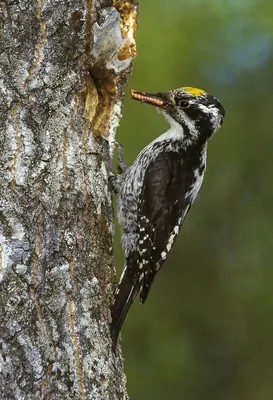
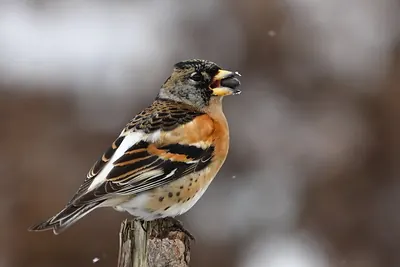
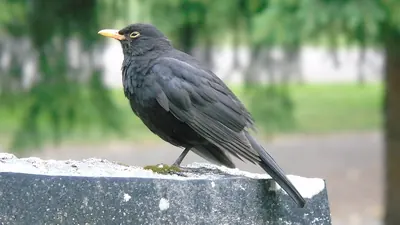
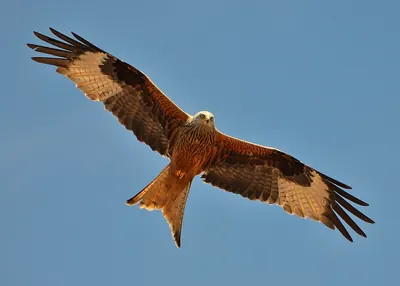
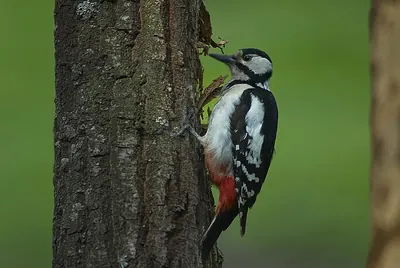
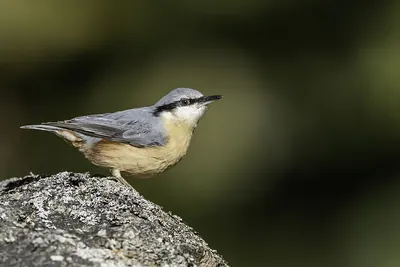
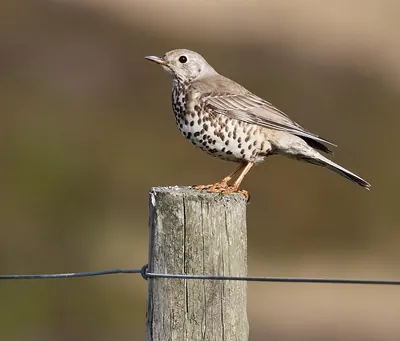
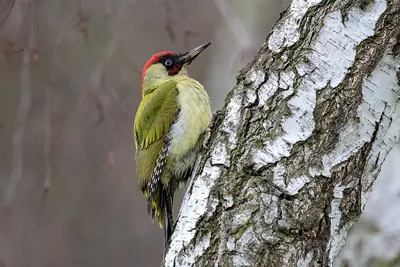
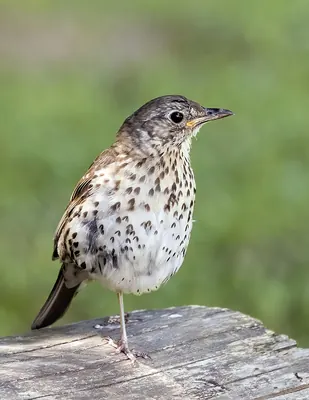
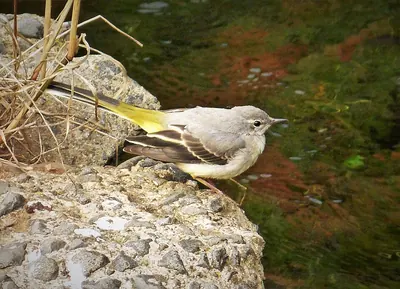
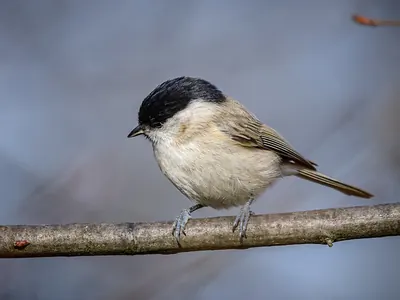
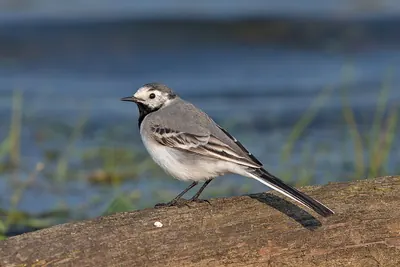
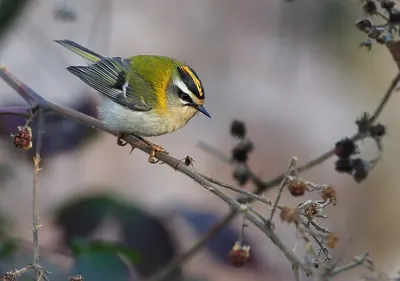
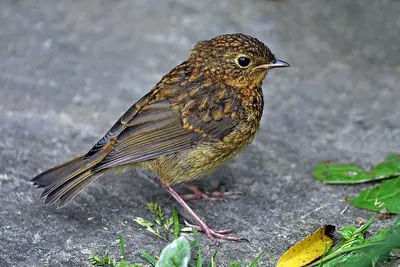
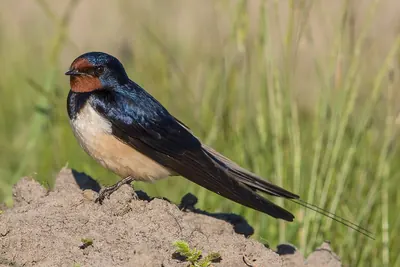
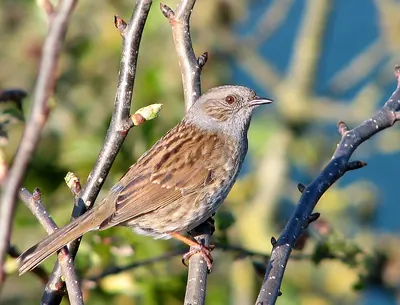
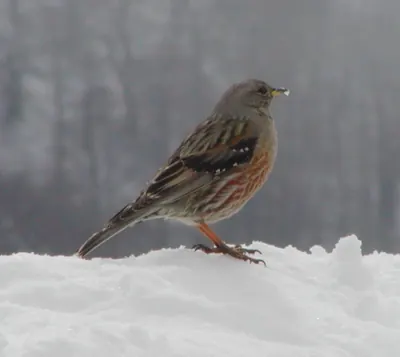
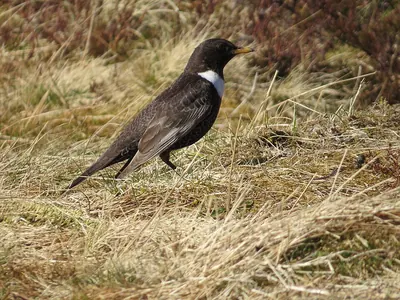
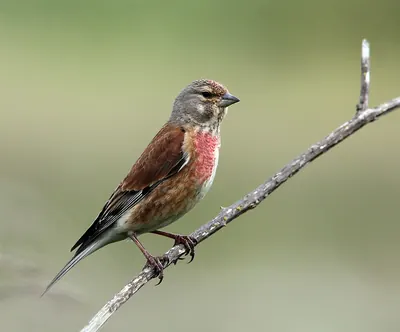
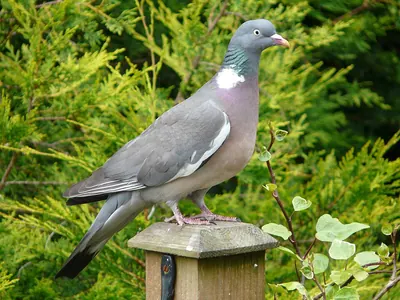
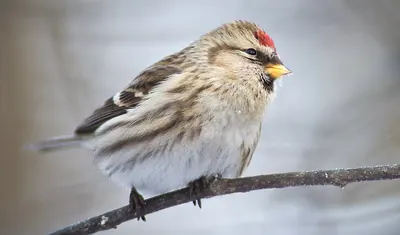
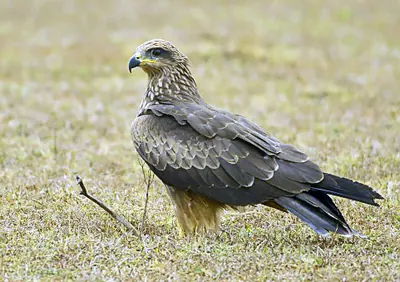
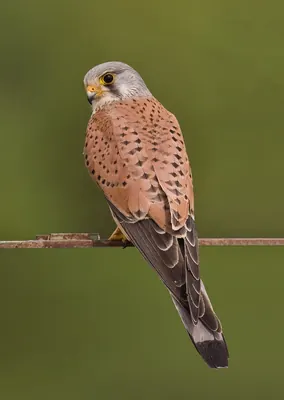
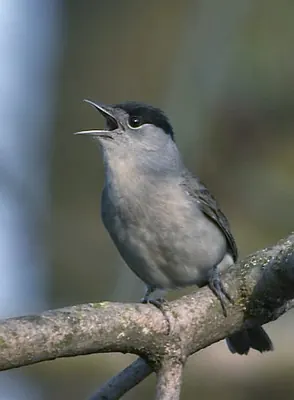
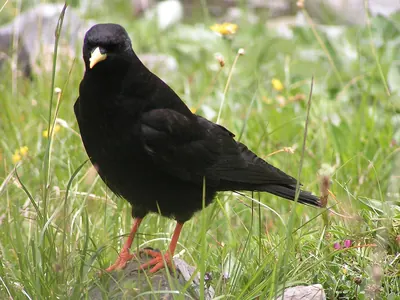
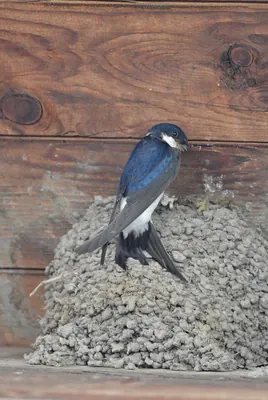
- Resident all year
- Summer visitor comes to breed
- Winter visitor comes for the winter
- Passage migrant in spring and autumn
In numbers
80 species, counted.
Our own rating, from the records only: species (50 points), threatened species (20), migrants (20) and protected status — Ramsar, IBA, SPA, observatory (10).
- 80Speciesrecorded more than once
- 32Migrantssummer, winter or passage visitors
- 0ThreatenedVulnerable, Endangered or Critically Endangered (IUCN)
- 678Recordsopen records within 6 km
- 1,327 mAltitudeabove the sea
- 7Raptors
- 1Owls
- 1Herons, ibises & grebes
- 56Songbirds
- 15Other birds
From open records (eBird and others, through GBIF, licensed for any use). More birdwatchers mean more records: a quiet place may have more birds than it shows.
The checklist
All 80 species.
By group, with the year in twelve cells: the darker the cell, the more often the bird is recorded that month.
Raptors7 species
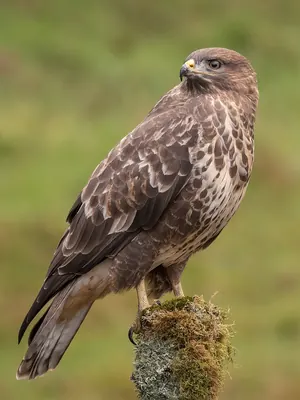
- Common BuzzardButeo buteo
- Red KiteMilvus milvus
- Golden EagleAquila chrysaetos
- Common KestrelFalco tinnunculus
- Black KiteMilvus migrans
- Peregrine FalconFalco peregrinus
- European Honey-buzzardPernis apivorus
Owls1 species
- Northern Eagle OwlBubo bubo
Herons, ibises & grebes1 species
- Grey HeronArdea cinerea
Songbirds56 species
- Carrion CrowCorvus corone
- Coal TitPeriparus ater
- Northern RavenCorvus corax
- Northern NutcrackerNucifraga caryocatactes
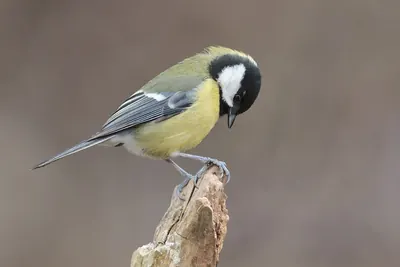
- Great titParus major
- Eurasian ChaffinchFringilla coelebs
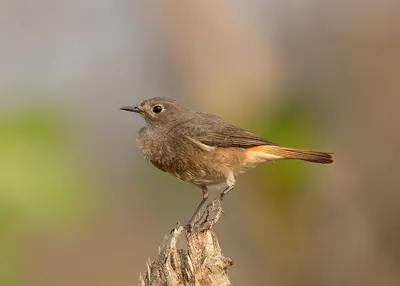
- Black RedstartPhoenicurus ochruros
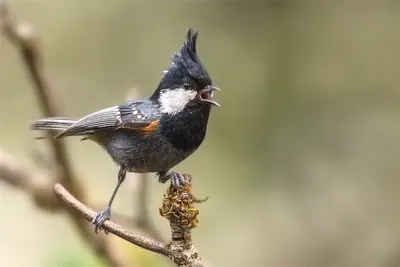
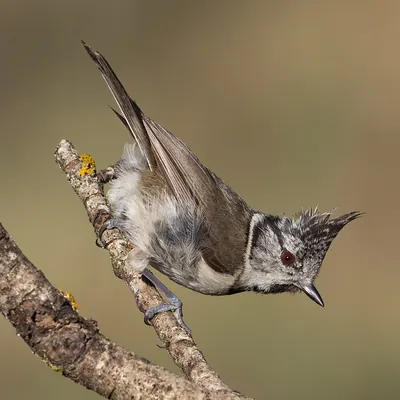
- European Crested TitLophophanes cristatus
- White WagtailMotacilla alba
- Eurasian BlackbirdTurdus merula
- House SparrowPasser domesticus
- Eurasian MagpiePica pica
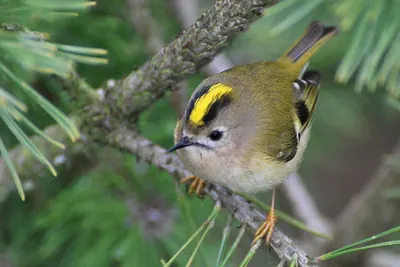
- GoldcrestRegulus regulus
- Eurasian NuthatchSitta europaea
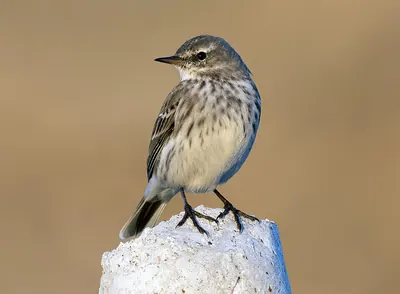
- Water PipitAnthus spinoletta
- Mistle ThrushTurdus viscivorus
- Alpine ChoughPyrrhocorax graculus
- Willow TitPoecile montanus
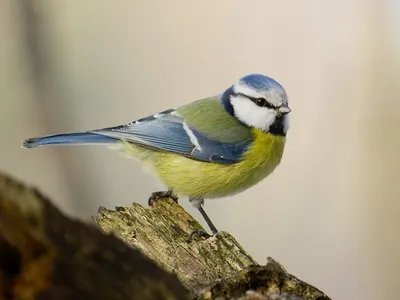
- Eurasian Blue TitCyanistes caeruleus
- Grey WagtailMotacilla cinerea
- European RobinErithacus rubecula
- Eurasian JayGarrulus glandarius
- Song ThrushTurdus philomelos
- Barn swallowHirundo rustica
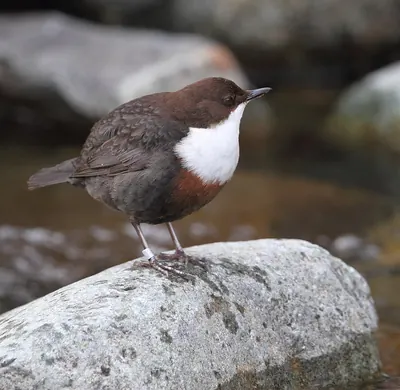
- White-throated DipperCinclus cinclus
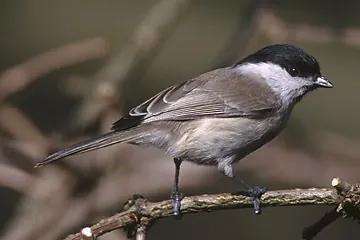
- Marsh TitPoecile palustris
- Common House MartinDelichon urbicum
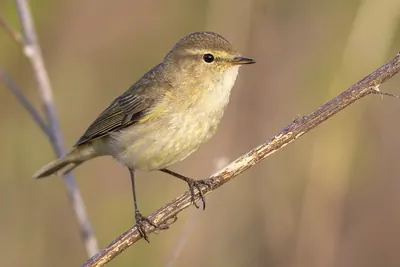
- Common ChiffchaffPhylloscopus collybita
- European GoldfinchCarduelis carduelis
- Eurasian WrenTroglodytes troglodytes
- BlackcapSylvia atricapilla
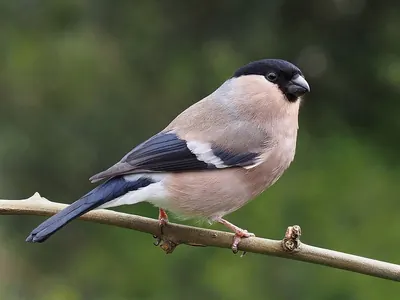
- BullfinchPyrrhula pyrrhula
- Common FirecrestRegulus ignicapilla
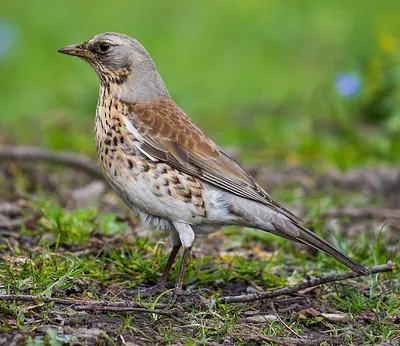
- FieldfareTurdus pilaris
- Northern WheatearOenanthe oenanthe
- Common RedpollAcanthis flammea
- Red-backed ShrikeLanius collurio
- DunnockPrunella modularis
- Alpine AccentorPrunella collaris
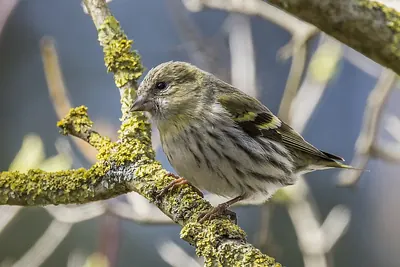
- Eurasian SiskinSpinus spinus
- Short-toed treecreeperCerthia brachydactyla
- Ring OuzelTurdus torquatus
- Common LinnetLinaria cannabina
- Eurasian TreecreeperCerthia familiaris
- Tree PipitAnthus trivialis
- Lesser whitethroatSylvia curruca
- BramblingFringilla montifringilla
- European GreenfinchChloris chloris
- Common crossbillLoxia curvirostra
- WallcreeperTichodroma muraria
- Snow FinchMontifringilla nivalis
- Western Bonelli's WarblerPhylloscopus bonelli
- Citril FinchCarduelis citrinella
- Eurasian Tree SparrowPasser montanus
- Western JackdawColoeus monedula
- Common StarlingSturnus vulgaris
Other birds15 species
- Great Spotted WoodpeckerDendrocopos major
- Green WoodpeckerPicus viridis
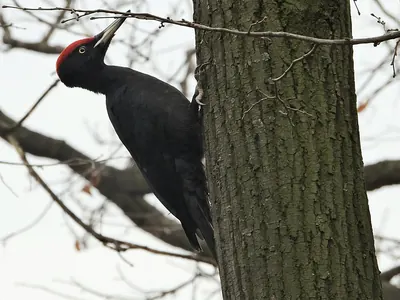
- Black WoodpeckerDryocopus martius
- Common Wood PigeonColumba palumbus
- White-backed WoodpeckerDendrocopos leucotos
- Eurasian Three-toed WoodpeckerPicoides tridactylus
- Grey-headed WoodpeckerPicus canus
- Rock DoveColumba livia
- PtarmiganLagopus muta
- Western CapercaillieTetrao urogallus
- Black GrouseLyrurus tetrix
- Common QuailCoturnix coturnix
- Eurasian Collared DoveStreptopelia decaocto
- European SwiftApus apus
- Common CuckooCuculus canorus
Monthly presence relative to all bird records that month, so a busy month does not inflate every species.
When to go
The most species in August.
Species recorded in each month, with the usual temperature and rain.
- Jan-4°/-13°93 mm
- Feb-3°/-13°70 mm
- Mar0°/-9°90 mm
- Apr5°/-4°88 mm
- May11°/0°146 mm
- Jun15°/5°170 mm
- Jul17°/7°167 mm
- Aug16°/6°184 mm
- Sep12°/3°122 mm
- Oct8°/-1°101 mm
- Nov2°/-6°90 mm
- Dec-3°/-11°93 mm
- Bar: species recorded that month.
- Temperature: average maximum / minimum (NASA, 1991–2020).
- Rain: monthly total.
The place
Klostertaler Bergwälder.
Special protection area in the EU defined by the birds directive in Austria
Klostertaler Bergwälder is a Special Protection Area under the EU Birds Directive in Austria, 1,327 m above the sea.
80 bird species have been recorded here more than once, in 678 open records.
The most recorded are the Carrion Crow, the Coal Tit and the Northern Raven.
22 species come for the summer, 9 for the winter and 1 only pass through.
The most species are recorded in August.
Get there and watch
- Walch's Campingcampsite · 2.3 km · 10 within 10 km
- Panoramagasthof Kristbergplace to stay · 4.0 km · 142 within 10 km
- Dalaasnearest town · 3.0 km in a straight line
- Sankt Gallen Altenrhein Airport (ACH)nearest airport with scheduled flights · 49 km in a straight lineCar hire at ACH airport (St. Gallen)Discover Cars · sponsored link↗
Plan the visit
A guided walk, a bed nearby, a car.
Some links above are affiliate links: if you book through them we may earn a commission, at no extra cost to you. It never changes what the data on this page says.
From above
The place and its surroundings.
The satellite image of the 6 × 6 km around the place, with the bird hides, towers and trails that OpenStreetMap shows.
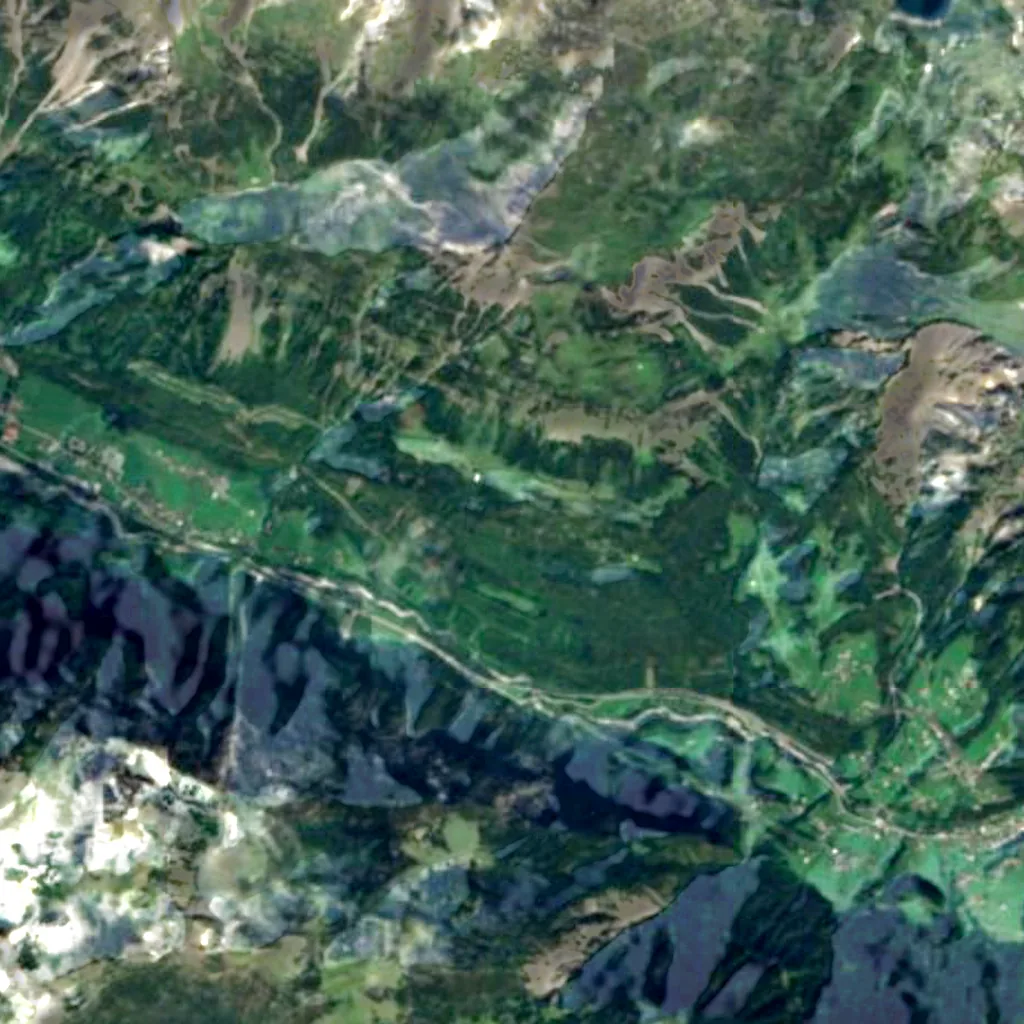
Around, in OpenStreetMap
- 6marked trails within 4 kmNordalpenweg 01, [E4] Europäischer Fernwanderweg [003], Arlbergweg and 3 more
- 5viewpoints within 5 kmGanzalaeta, Itonskopf and 3 more
- 17car parks within 3 km
- 3restaurants and cafés within 3 km
- 10campsites within 10 kmWalch's Camping, Camping Erne, Camping Hotel Traube and 7 more
- 142places to stay within 10 kmPanoramagasthof Kristberg, Hotel Bergkristall, Chalet Christl and 139 more
- bird hides within 6 km
- observation towers within 6 km
- visitor centres within 6 km
Counted in OpenStreetMap, the map anyone can edit. A low number may just mean nobody has mapped it yet.
In our other atlases
Around Klostertaler Bergwälder.
The lakes, beaches, islands, rivers and mountains around this place, and its night sky, in the family's atlases.
 Peakyas422 mountains within 25 km
 Lakeyas1 lakes within 15 km
 Darkskyas3 dark-sky places within 30 km
 Riveryasthe river nearby
Figures from the sister sites' databases (Wikidata, HydroATLAS, GeoNames, OpenStreetMap). Links open when each site is online.
Other places nearby.
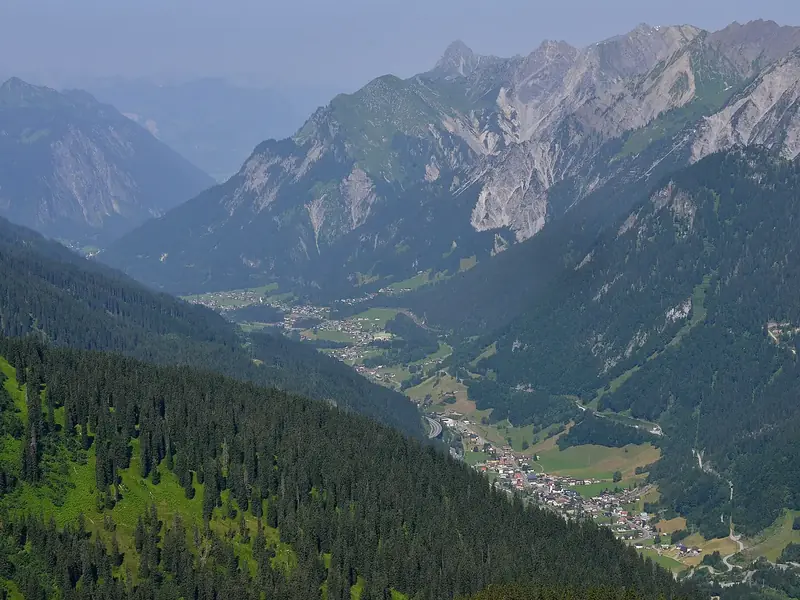
Klostertaler Bergwälder
Austria
- 44Birdyas Score
- 80Species
- 32Migrants
- 0Threatened
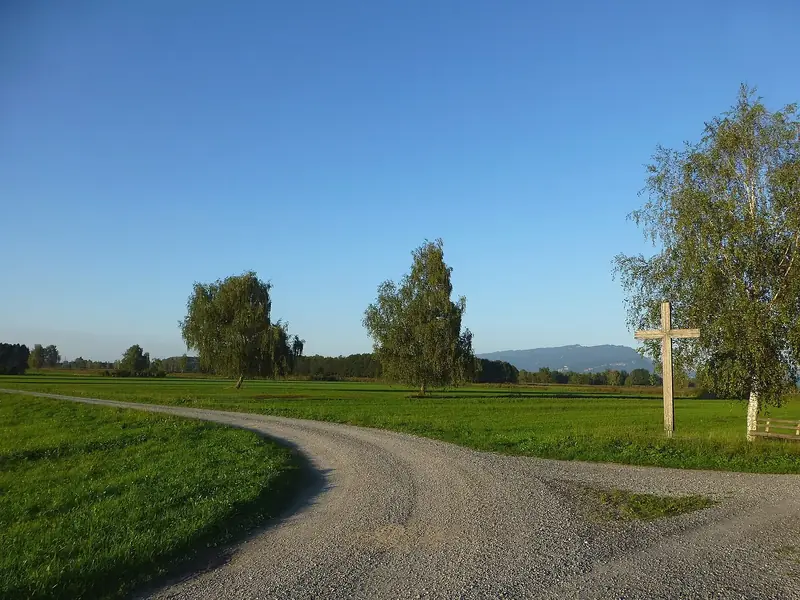
Europaschutzgebiet Soren, Gleggen–Köblern, Schweizer Ried und Birken–Schwarzes Zeug
Austria · 40 km
- 87Birdyas Score
- 269Species
- 170Migrants
- 11Threatened
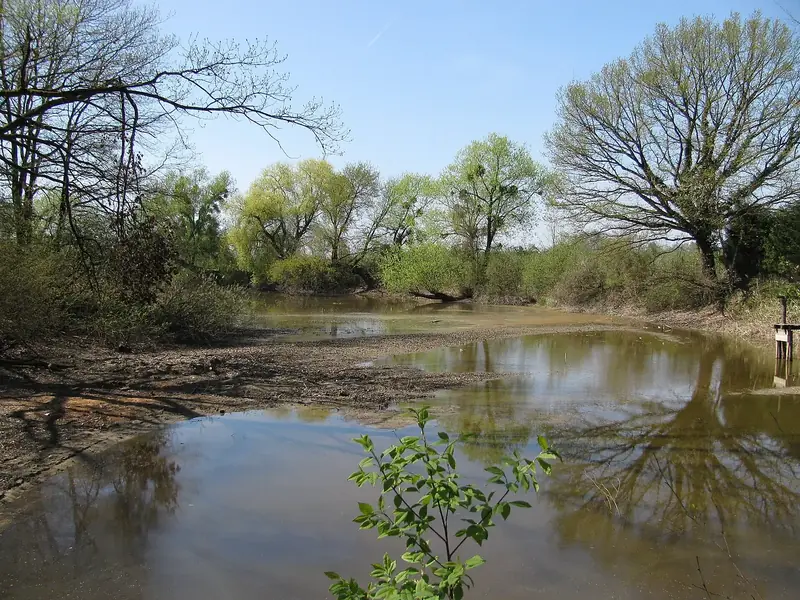
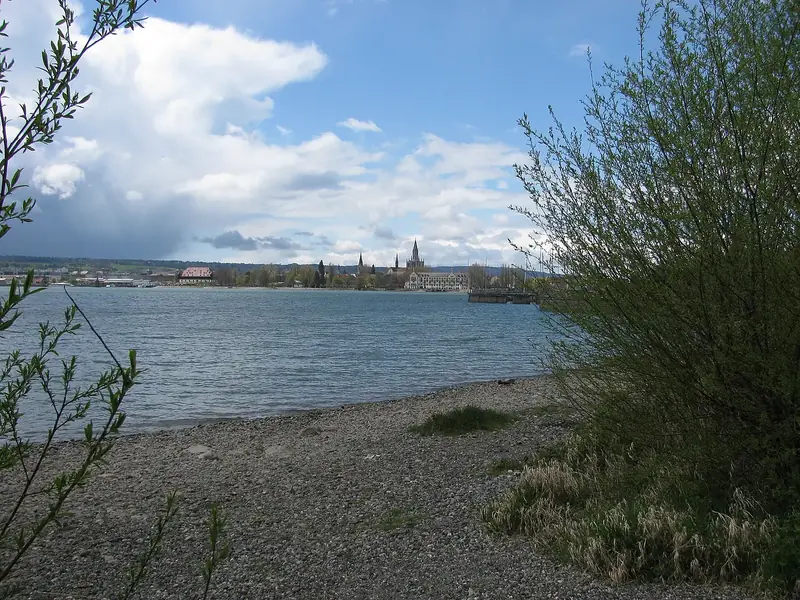
Konstanzer Bucht des Bodensees
Germany · 81 km
- 84Birdyas Score
- 234Species
- 129Migrants
- 9Threatened
Where these figures come from
| Name and type | Wikidata (Q100995239) · CC0 |
|---|---|
| Birds | 678 open bird records within 6 km (GBIF, CC0 and CC BY 4.0 only; mostly eBird, Cornell Lab of Ornithology) |
| See these records | gbif.org |
| Species | GBIF Backbone Taxonomy · CC BY 4.0; Wikidata (CC0); Wikimedia Commons |
| Altitude | Copernicus DEM GLO-30 · © DLR e.V., © Airbus Defence and Space GmbH, Copernicus/ESA |
| Temperature and rain | NASA POWER (CERES SYN1deg, 2001–2020; MERRA-2) |
| What is around | © OpenStreetMap contributors · ODbL |
| Images | EOX Sentinel-2 cloudless 2016 · CC BY 4.0; Wikimedia Commons |
| Sister atlases | Peakyas, Lakeyas, Darkskyas, Riveryas |
Every figure is an average, an estimate or a count from a public dataset. Licences and methods: data sources.
The family
Do you prefer beaches, lakes, mountains, waterfalls, islands, rivers, canyons, caves, dark skies, viewpoints, birdwatching or forests?
Same idea, other landscapes: field atlases built on open data, in seven languages.
 beaches
 Find your beach: sea temperature, sun and swimming month by month.Visit lakes
 Every lake on Earth: water temperature, ice, depth and the shore.Visit mountains
 Every summit in 3D: summit weather, the 0 °C line, huts and trails.Visit
  waterfalls
 Every waterfall: height, flow month by month and when it roars.Visit
  islands
 Every island from the sea up: size, sea temperature, ferries and 3D.Visit rivers
 Every river from source to sea: the journey, the flow and the basin in numbers.Visit
  canyons
 Every canyon cut to scale: depth to the floor, rim and floor temperatures, trails and viewpoints.Visit
  caves
caves Every cave with its real depth and length: the rock above, the temperature inside all year, and how to visit.Visit dark skies
 Where the night is still dark: the sky of every place, the Milky Way month by month, the Moon, eclipses and auroras.Visit
  viewpoints
 Every viewpoint with its real 360° panorama: the peaks you can name, how far you see and where the sun sets.Coming soonVisit
  birdwatching
 Every bird sanctuary and wetland with the species recorded month by month: who is resident, who comes for the summer, who only passes through.You are here
 forests
 Every forest with its land-cover rings, what grows and lives in it, and the best months to walk it.Coming soonVisit